
 By AsimAli
Choosing the right kitchen tools can make everyday cooking easier, faster, and more enjoyable. Whether you prepare simple breakfasts, family lunches, or elaborate dinners, understanding how to use your kitchen equipment properly is essential. RTE kitchenware can support different cooking activities when each item is selected, handled, and maintained according to its purpose. From preparing ingredients to serving meals, the right kitchenware helps create an organized and comfortable cooking environment.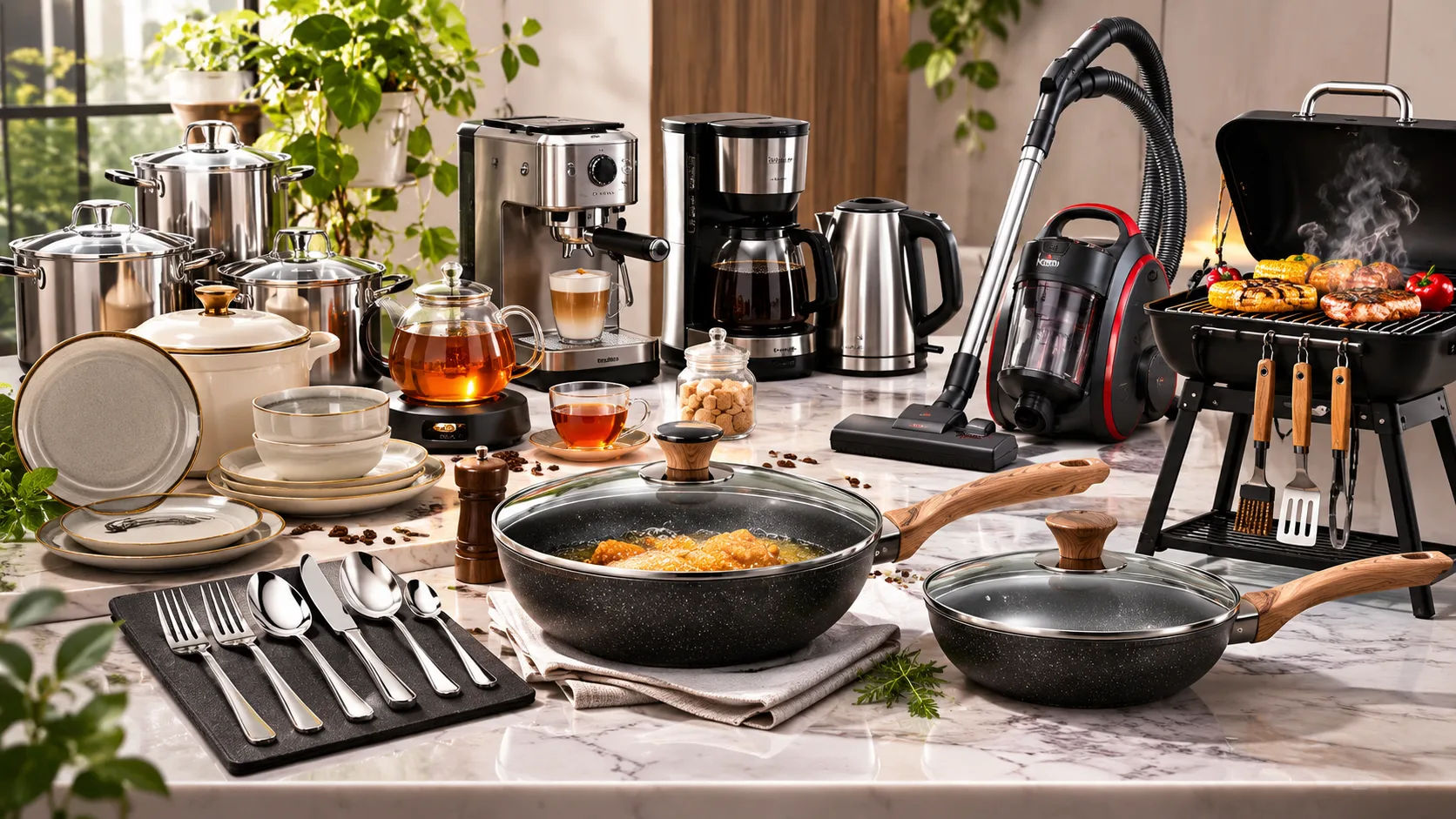
Many people purchase kitchen utensils and cookware without fully understanding their functions. As a result, they may use certain products incorrectly, damage their surfaces, or struggle to achieve consistent cooking results. Learning the correct techniques can help prevent these problems.
This comprehensive guide explains how to use RTE kitchenware effectively, how to prepare different kitchen tools, and how to maintain them for long-term use. It also covers important safety practices, cleaning methods, storage ideas, and practical tips for everyday cooking.
Purpose of Kitchenware
Kitchenware includes the tools, utensils, cookware, and accessories used to prepare, cook, serve, and store food. Each item has a particular purpose, and knowing these functions makes kitchen activities more convenient.
Some products are designed for cutting and preparing ingredients, while others are suitable for heating, mixing, frying, or serving meals.
Understanding your kitchen equipment before using it can prevent unnecessary damage and improve your cooking experience.
Different Types of Kitchenware
Kitchenware generally falls into several categories.
-
Cookware: Includes pots, pans, frying pans, and cooking vessels.
-
Food preparation tools: Includes chopping boards, knives, peelers, graters, and mixing bowls.
-
Cooking utensils: Includes spatulas, ladles, tongs, and serving spoons.
-
Baking equipment: Includes baking trays, measuring cups, and mixing accessories.
-
Serving products: Includes plates, bowls, trays, and serving dishes.
-
Storage accessories: Includes food containers, jars, and kitchen organizers.
Each category supports a different stage of meal preparation.
Why Proper Usage Matters
Using kitchenware correctly protects the equipment and makes cooking more efficient.
For example, using a suitable spatula with a non-stick frying pan helps protect its coating. Similarly, choosing the correct pot size can improve heat distribution and reduce unnecessary energy consumption.
Proper usage also helps maintain food hygiene and reduces the possibility of kitchen accidents.
Preparing RTE Kitchenware Before First Use
Before using new kitchen equipment, it is important to prepare it properly. Some products may contain packaging dust, manufacturing residues, or protective materials that should be removed before they come into contact with food.
Taking a few minutes to prepare your equipment can make your cooking experience safer.
Read the Product Instructions
Start by checking the manufacturer's instructions. Different kitchen products may have different temperature limits, cleaning requirements, and handling recommendations.
Pay particular attention to instructions regarding:
-
Dishwasher compatibility.
-
Microwave suitability.
-
Maximum cooking temperatures.
-
Suitable cleaning products.
-
Storage recommendations.
-
Restrictions on direct heat.
Never assume that every kitchen product can be used in the same way.
Wash Before Using
Wash kitchen utensils, bowls, plates, and other washable products with warm water and mild dishwashing liquid.
Use a soft sponge to remove dust and packaging residue. Avoid rough cleaning materials on delicate surfaces because they may cause scratches.
After washing, rinse everything thoroughly and allow it to dry completely.
Inspect for Damage
Check your equipment before using it.
Look for cracks, sharp edges, loose handles, damaged coatings, and other visible defects. If a product appears damaged, do not use it until its safety has been established.
This simple inspection can help prevent problems during food preparation.
How to Use RTE Kitchenware for Food Preparation
RTE kitchenware is one of the most important stages of cooking. Properly prepared ingredients make recipes easier to follow and help produce consistent results.
Different kitchen tools can simplify this process.
Using Knives and Cutting Tools
Knives are essential for chopping vegetables, slicing fruits, cutting meat, and preparing other ingredients.
Always select a knife that matches the task. A chef's knife is suitable for general chopping, while a smaller knife provides better control when peeling or trimming.
Follow these basic practices:
-
Place a stable chopping board on a flat surface.
-
Hold the knife firmly by its handle.
-
Keep your fingers away from the blade.
-
Use controlled cutting movements.
-
Wash and dry knives after use.
-
Store sharp knives in a protective holder.
Avoid using kitchen knives for tasks they were not designed to perform, such as opening cans or cutting hard materials.
Using Mixing Bowls
Mixing bowls are useful for combining ingredients, preparing sauces, mixing batter, and tossing salads.
Choose a bowl that provides enough space for the ingredients. A larger bowl is generally better when mixing flour, eggs, or other ingredients that may spill.
When preparing food, place the bowl on a stable surface and use a suitable spoon, whisk, or spatula.
If the bowl is made from plastic, check whether it is suitable for hot ingredients before adding heated food.
Using Measuring Tools
Accurate measurements are important when following recipes, especially when baking.
Measuring cups and spoons help maintain consistent ingredient quantities.
Use dry measuring cups for ingredients such as flour and sugar when appropriate. Liquid measuring cups are useful for milk, water, and cooking oil.
Avoid estimating quantities when a recipe requires precise measurements.
Using RTE Kitchenware for Cooking
Cooking requires equipment that can handle heat safely and efficiently. Selecting the correct cookware is important for achieving good results.
Different foods require different cooking methods, so it is helpful to understand how individual products work.
Using Pots and Pans
Pots and pans are among the most frequently used kitchen products.
Pots are generally suitable for boiling, simmering, preparing soups, and cooking rice. Pans are commonly used for frying, sautéing, and shallow cooking.
Follow these steps when using cookware:
-
Choose a pot or pan suitable for the recipe.
-
Place it on the correct cooking surface.
-
Add the required ingredients.
-
Adjust the heat according to the cooking method.
-
Use suitable utensils while cooking.
-
Allow the cookware to cool before cleaning.
Avoid heating empty cookware for extended periods unless the manufacturer specifically permits it.
Understanding Non-Stick Cookware
Non-stick cookware makes cooking and cleaning easier because food is less likely to stick to the cooking surface.
However, it requires careful handling.
Use wooden, silicone, or manufacturer-approved utensils instead of sharp metal tools. Avoid overheating the pan and follow the recommended temperature limits.
Do not use abrasive scrubbers that could damage the coating.
If the non-stick surface becomes badly scratched, chipped, or starts peeling, discontinue using the cookware and follow the manufacturer's replacement guidance.
Using Stainless Steel Cookware
Stainless steel cookware is popular because it is durable and suitable for many cooking techniques.
It can be used for boiling, frying, sautéing, and preparing sauces, depending on the product design.
Preheat the cookware appropriately and add a suitable amount of cooking oil when needed.
Avoid using extremely high heat without a reason. This can cause food to burn and may produce stubborn stains.
After cooking, allow the cookware to cool before washing it.
Using Kitchen Utensils Correctly
Kitchen utensils help manage food during cooking. Choosing the right utensil makes different cooking tasks easier and reduces the risk of damaging cookware.
Spatulas and Cooking Spoons
Spatulas are useful for turning food, mixing ingredients, scraping bowls, and folding mixtures.
Silicone spatulas are particularly useful for delicate cookware because they are generally gentle on coated surfaces.
Cooking spoons are suitable for stirring soups, sauces, vegetables, and other dishes.
Choose utensils that are comfortable to hold and appropriate for the temperature of the food.
Using Ladles and Tongs
Ladles are designed for serving liquids such as soups, gravies, and sauces.
Tongs provide a secure grip when turning vegetables, handling cooked meat, or transferring food between containers.
Always choose heat-resistant utensils when working near hot cooking surfaces.
Avoid leaving plastic utensils inside hot cookware unless they are specifically designed for that purpose.
Using Whisks
Whisks help combine ingredients and introduce air into mixtures.
They are useful for preparing eggs, sauces, cream mixtures, and baking ingredients.
Hold the whisk comfortably and use steady circular movements. Select a whisk with a suitable size for your mixing bowl.
How to Use Kitchenware for Baking
Baking requires suitable tools and accurate measurements. The correct preparation of baking equipment can improve the appearance, texture, and consistency of baked food.
Preparing Baking Trays
Before using a baking tray, check whether it requires greasing or lining with baking paper.
Some trays have non-stick surfaces, while others may require additional preparation.
Always confirm the maximum oven temperature recommended by the manufacturer.
Never place a product in an oven unless it is specifically designed for oven use.
Using Measuring Cups and Spoons
Baking recipes often depend on precise measurements.
Incorrect quantities can affect the final texture of cakes, biscuits, bread, and pastries.
Level dry ingredients when required and measure liquids using an appropriate measuring container.
Following the recipe carefully helps produce more predictable results.
Using Mixing Equipment
Mixing bowls, whisks, and spatulas are useful for preparing cake batter, dough, and other mixtures.
Start by combining ingredients according to the recipe instructions.
Avoid excessive mixing when the recipe requires a light texture. For example, overmixing some cake batters can produce a dense result.
Using RTE Kitchenware for Food Serving
Serving equipment is just as important as cooking equipment. Plates, bowls, trays, and serving dishes help present food attractively and make meals easier to enjoy.
Choosing Suitable Serving Dishes
Select serving dishes according to the type and quantity of food.
Large platters are suitable for family meals, while smaller bowls work well for sauces, snacks, and side dishes.
Consider the material and temperature requirements before placing hot food into a serving container.
Not every decorative dish is suitable for hot food.
Arranging Food Properly
A clean and organized presentation can improve the dining experience.
Use separate serving utensils for different dishes. This helps prevent unwanted mixing of ingredients and supports better food hygiene.
Keep serving areas clean and avoid leaving perishable food at room temperature for extended periods.
Handling Hot Serving Dishes
Always use suitable heat-resistant gloves or holders when handling hot cookware or serving dishes.
Place hot items on heat-resistant surfaces rather than directly on delicate countertops.
Allow dishes to cool before washing unless their instructions specify otherwise.
Cleaning and Maintaining Kitchenware
Regular cleaning helps keep kitchen equipment hygienic and extends its useful life.
Food residue, grease, and moisture can accumulate when products are not cleaned properly.
A simple maintenance routine can prevent many common problems.
Cleaning After Every Use
Clean kitchenware soon after use whenever practical.
Follow these steps:
-
Remove leftover food.
-
Rinse washable products with warm water.
-
Apply mild dishwashing liquid.
-
Clean using a suitable sponge or brush.
-
Rinse thoroughly.
-
Dry completely before storage.
Avoid leaving food residue on utensils and cookware for long periods.
Cleaning Different Materials
Different materials require different cleaning techniques.
Stainless steel: Use mild dishwashing liquid and a soft sponge. For stubborn stains, use a suitable stainless steel cleaner according to its instructions.
Non-stick surfaces: Use warm water, mild soap, and a soft sponge. Avoid abrasive cleaning materials.
Glass: Wash with a non-abrasive sponge and avoid sudden temperature changes that could cause thermal shock.
Wood: Wash wooden utensils by hand and dry them immediately. Do not leave them soaking in water.
Plastic: Use suitable cleaning products and check whether the product is dishwasher-safe.
Understanding these differences helps protect your kitchen equipment.
Removing Stubborn Food Residue
Sometimes food sticks to cookware and becomes difficult to remove.
Instead of scraping aggressively, soak compatible cookware in warm soapy water.
Allow the residue to soften before cleaning it with a suitable sponge.
For products with special coatings, always follow the manufacturer's cleaning recommendations.
Safe Storage Practices for Kitchenware
Proper storage keeps kitchen equipment organized and makes it easier to find the tools you need.
It also helps prevent accidental damage.
Organizing Kitchen Cabinets
Arrange equipment according to its purpose.
Keep frequently used cooking utensils near the cooking area. Store plates and bowls in accessible cabinets and place specialized equipment in separate sections.
Use drawer organizers to prevent smaller tools from becoming mixed together.
Protecting Delicate Products
Stack plates and bowls carefully to avoid scratches and breakage.
Place protective separators between delicate items when necessary.
Store knives in knife blocks, protective covers, or suitable magnetic holders.
Avoid placing heavy objects on fragile kitchen products.
Keeping Storage Areas Dry
Moisture can encourage unpleasant odors and, depending on the material, corrosion or deterioration.
Make sure washable products are completely dry before storing them.
Keep cabinets clean and inspect storage areas regularly.
Common Mistakes to Avoid When Using Kitchenware
Even good-quality kitchen equipment can become damaged through incorrect handling.
Understanding common mistakes can help you avoid unnecessary replacement costs.
Using the Wrong Utensils
Metal utensils may scratch certain non-stick surfaces.
Always choose utensils that are compatible with your cookware.
Ignoring Temperature Limits
Not every kitchen product can withstand high temperatures.
Some plastic, glass, and decorative items may become damaged when exposed to unsuitable heat.
Check the manufacturer's instructions before using them in ovens, microwaves, or on stovetops.
Using Harsh Cleaning Materials
Steel wool, abrasive powders, and strong chemicals can damage certain surfaces.
Use gentle cleaning products unless the manufacturer recommends something different.
Storing Wet Products
Putting damp utensils and cookware into closed cabinets can create unpleasant smells and hygiene problems.
Dry products properly before storage.
Ignoring Product Damage
Cracks, loose handles, peeling coatings, and broken edges should never be ignored.
Replace damaged products when they are no longer safe for food preparation or serving.
Tips for Getting Better Results from Your Kitchenware
Developing good kitchen habits can make cooking easier and help your equipment last longer.
Consider the following practical recommendations.
Choose the Right Tool for Every Task
Use suitable products for cutting, mixing, frying, baking, and serving.
Using the correct tool improves control and reduces unnecessary effort.
Prepare Ingredients Before Cooking
Measure ingredients, wash vegetables, and organize cooking utensils before turning on the stove.
This preparation makes cooking more organized and helps prevent mistakes.
Maintain a Regular Cleaning Routine
Clean equipment after use and inspect it periodically.
Regular maintenance is easier than removing heavily accumulated grease or food residue.
Follow Manufacturer Recommendations
Product instructions provide important information about safe temperatures, compatible cleaning methods, and suitable applications.
Following these recommendations helps protect your investment.
Replace Worn-Out Equipment
Kitchen tools do not last forever.
Replace products that have become unsafe, heavily damaged, or unsuitable for their intended purpose.
This is particularly important for cutting tools, damaged cookware, and food storage containers.
Frequently Asked Questions
Can RTE Kitchenware Be Used Every Day?
Yes, kitchenware designed for regular household use can generally be used every day when handled according to its intended purpose. Always check individual product instructions for specific restrictions.
How Often Should Kitchenware Be Cleaned?
Wash kitchen utensils, cookware, and serving equipment after every use. Food-contact surfaces should be cleaned thoroughly before being used again.
Can All Kitchenware Be Washed in a Dishwasher?
No. Dishwasher compatibility depends on the material and product design. Check the manufacturer's instructions before placing any item in a dishwasher.
How Can I Protect Non-Stick Cookware?
Use compatible utensils, avoid overheating, and clean the surface with a soft sponge. Do not use sharp metal tools or abrasive cleaning materials.
How Should Kitchenware Be Stored?
Store clean and dry products in organized cabinets or drawers. Keep sharp tools protected and place delicate products where they cannot easily fall or break.
What Should I Do If Kitchenware Becomes Damaged?
Stop using products that may create a safety risk. Check the manufacturer's recommendations and replace items with cracked surfaces, damaged coatings, loose handles, or other serious defects.
Conclusion
Learning how to use kitchen equipment correctly is an important part of maintaining an efficient and organized kitchen. From food preparation and cooking to baking, serving, cleaning, and storage, every stage requires suitable tools and proper handling techniques.
RTE kitchenware can make everyday kitchen activities more convenient when products are used according to their intended functions. Understanding the differences between cookware, utensils, preparation tools, and serving accessories helps you choose the right equipment for different tasks.
Before using new products, read their instructions, clean them properly, and inspect them for damage. During cooking, pay attention to temperature limits and select compatible utensils. After preparing meals, clean your equipment using appropriate methods and allow it to dry completely before storage.
It is equally important to avoid common mistakes such as overheating cookware, using abrasive cleaning materials, and storing wet utensils. Small habits like these can help maintain product quality and reduce unnecessary replacement costs.
A well-organized kitchen does not necessarily require a large collection of expensive equipment. Instead, it depends on choosing practical products, understanding their functions, and maintaining them consistently.
By following the recommendations in this guide, you can use RTE kitchenware more confidently, improve your daily cooking routine, maintain better kitchen hygiene, and create a safer environment for preparing meals. With proper care and responsible handling, your kitchen equipment can remain useful and reliable for everyday household activities.
 ahead_time