
 By AsimAli
Facial aesthetics has become an important part of modern skincare and personal wellness. People increasingly look for professional guidance to understand their skin, maintain healthy skin habits, and learn about treatments that may address particular concerns. From acne management and uneven skin tone to hydration and age-related skin changes, professional aesthetic services can provide different approaches depending on individual needs. However, choosing suitable treatments requires proper information, realistic expectations, and qualified professional guidance.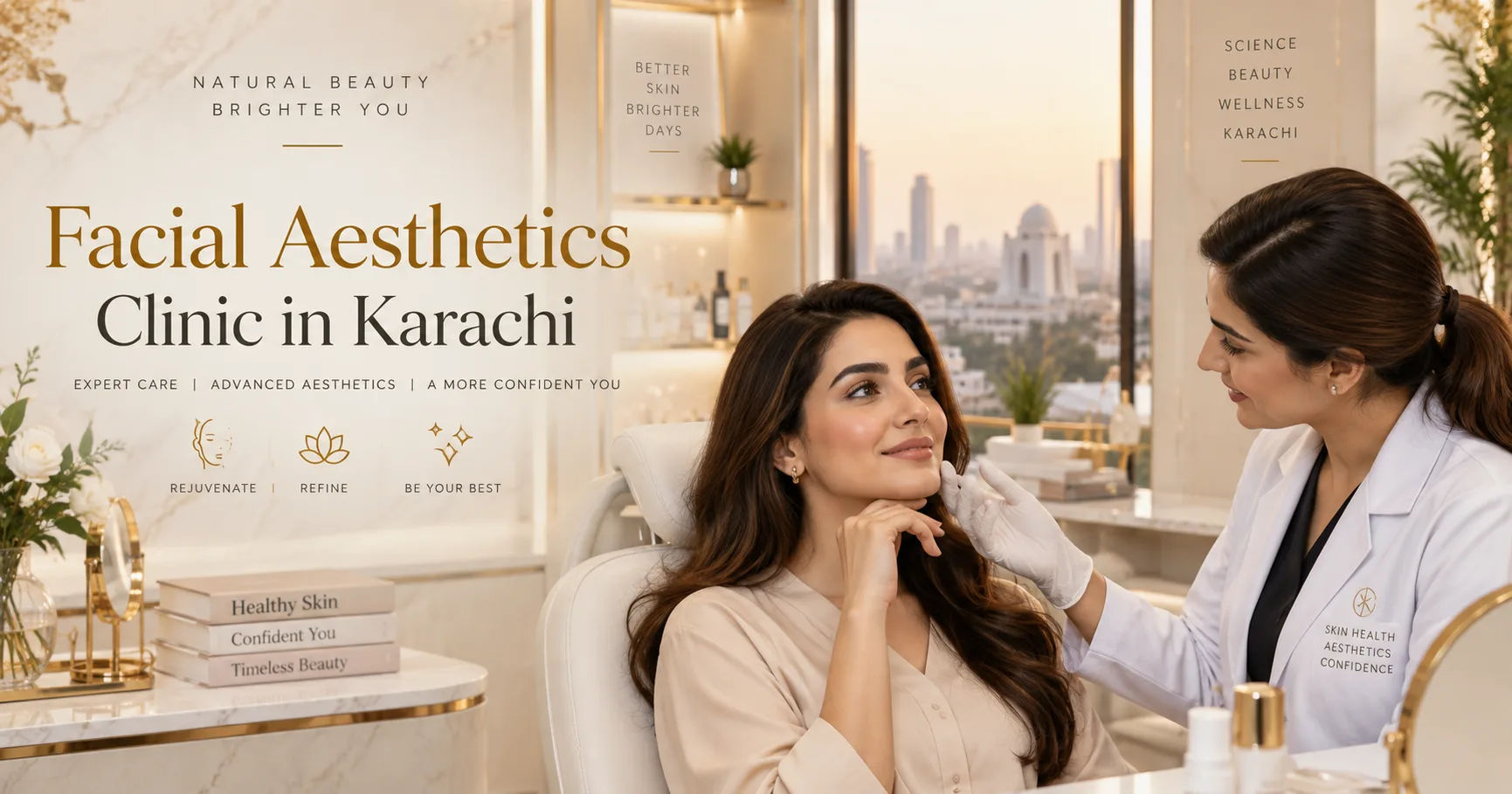
A facial aesthetics clinic in Karachi helps individuals understand their facial skin concerns and explore appropriate treatment options in a professional environment. These clinics may offer skin assessments, personalised skincare advice, non-surgical cosmetic procedures, and treatments designed to improve skin health and appearance. Their main purpose should be to provide safe, evidence-informed care rather than encourage unnecessary cosmetic changes. Understanding how these clinics operate can help people make informed decisions about their skincare and overall facial wellness.
Whether someone is interested in improving their skincare routine, managing acne-related concerns, or learning about available aesthetic procedures, professional consultation can be a useful starting point. A responsible clinic considers skin type, medical history, individual needs, and treatment suitability before recommending any service.
Facial Aesthetics and Its Importance
Facial aesthetics is a branch of skincare and cosmetic care that focuses on facial skin health and appearance. It includes different professional services intended to address concerns such as dryness, uneven pigmentation, acne marks, fine lines, and changes in skin texture.
Unlike ordinary skincare routines, professional aesthetic care begins with an assessment. A trained practitioner examines the skin, discusses relevant concerns, and explains possible approaches.
The goal is not to create a particular facial appearance. Instead, appropriate care focuses on skin health, comfort, and realistic treatment outcomes.
What Does Facial Aesthetics Include?
Facial aesthetics can involve several types of services, depending on the clinic's facilities and the qualifications of its professionals.
Common services may include:
-
Professional skin consultations.
-
Personalised skincare recommendations.
-
Acne and blemish management.
-
Treatments for uneven skin pigmentation.
-
Hydration-focused facial treatments.
-
Selected exfoliation procedures.
-
Advice about sun protection.
-
Management of certain age-related skin concerns.
Not every clinic offers all these services. The availability and suitability of treatments depend on the practitioner's qualifications, equipment, and clinical facilities.
Why Professional Skin Assessment Matters
Different skin conditions can look similar but require different approaches. For example, facial redness may result from irritation, sensitivity, inflammation, or another skin condition.
A professional assessment helps identify possible causes before treatment begins.
A responsible practitioner should explain whether a concern can be addressed through ordinary skincare, requires medical evaluation, or may benefit from a professionally supervised procedure.
How a Facial Aesthetics Clinic in Karachi Helps With Skin Concerns
One of the main benefits of visiting a facial aesthetics clinic in Karachi is access to professional guidance based on individual skin requirements.
Instead of following random skincare trends or experimenting with several products, visitors can receive recommendations that consider their skin condition and personal circumstances.
Identifying Different Skin Types
Skin types commonly include oily, dry, combination, and sensitive skin. Each type may respond differently to skincare ingredients and professional treatments.
For example, oily skin may require products that help manage excess oil without irritating the skin. Dry skin may benefit from gentle cleansing and moisturising ingredients.
Sensitive skin often requires additional care because certain fragrances, exfoliating ingredients, or strong treatments can cause irritation.
A professional assessment can help determine which products and procedures are appropriate.
Understanding Acne and Breakouts
Acne is a common skin concern that affects people of different ages. It may involve blackheads, whiteheads, inflammatory spots, and deeper lesions.
A clinic may assess the severity of acne and discuss suitable management options.
Depending on the condition, recommendations may include:
-
Gentle cleansing routines.
-
Non-comedogenic moisturisers.
-
Appropriate acne-focused skincare.
-
Advice about avoiding skin irritation.
-
Referral to a dermatologist when necessary.
It is important to understand that severe, persistent, or painful acne may require medical treatment rather than cosmetic procedures alone.
Managing Uneven Skin Tone
Uneven pigmentation can develop for several reasons, including sun exposure, inflammation, hormonal changes, and previous acne.
Aesthetic professionals may discuss skincare ingredients and professionally supervised treatments that address specific pigmentation concerns.
Sun protection is particularly important because ultraviolet exposure can worsen certain pigmentation conditions.
A suitable treatment plan should consider the cause of pigmentation, skin sensitivity, and the possibility of irritation.
Professional Skin Consultations and Personalised Care
A good consultation is an essential part of aesthetic services. It allows practitioners to understand the visitor's concerns before recommending products or procedures.
At a professional facial aesthetics clinic in Karachi, consultations should involve clear communication and an explanation of the available options.
Reviewing Medical and Skincare History
Before suggesting a procedure, practitioners should ask relevant questions about existing skin conditions, allergies, medications, previous treatments, and skincare products.
This information helps identify potential risks.
For example, someone using certain acne medications may need to avoid particular exfoliating or resurfacing treatments.
People with a history of allergic reactions should also discuss their sensitivities before trying new products.
Creating an Individual Skincare Plan
Every person's skin has different requirements. Therefore, a treatment approach that works for one individual may not be suitable for another.
A personalised plan may include basic skincare recommendations, professional follow-up appointments, or referral to a medical specialist.
The practitioner should explain what each recommendation is intended to achieve.
A good plan should also avoid unnecessary products and procedures. Simple, consistent skincare is often more useful than a complicated routine involving numerous treatments.
Common Services Available at Facial Aesthetics Clinics
Aesthetic clinics may offer different services depending on their professional team and equipment. Understanding these options makes it easier to discuss treatment suitability during a consultation.
Professional Facial Treatments
Professional facials are designed to cleanse and care for facial skin.
Depending on the service, they may include gentle cleansing, exfoliation, moisturising products, and other skincare techniques.
Different facials may focus on hydration, cleansing, or temporary improvements in skin appearance.
However, professional facials are not a replacement for medical treatment when someone has an underlying skin condition.
Chemical Peels
Chemical peels use selected ingredients to exfoliate the outer layers of the skin.
Different formulations have different strengths and purposes. Some are designed for superficial exfoliation, while stronger procedures require more specialised medical supervision.
A practitioner should evaluate skin type, pigmentation history, sensitivity, and treatment risks before recommending a peel.
Possible side effects include redness, irritation, and changes in pigmentation. Incorrect treatment can cause significant skin damage.
Skin Rejuvenation Treatments
Skin rejuvenation refers to treatments intended to improve certain aspects of skin texture, hydration, or appearance.
Available procedures differ between clinics and may include professionally supervised resurfacing or other medical aesthetic techniques.
The suitability of each treatment depends on individual circumstances.
Practitioners should explain expected results, recovery requirements, possible complications, and alternative options before obtaining consent.
Hydration-Focused Treatments
Hydration is an important part of maintaining comfortable and healthy skin.
Some clinics offer professional treatments designed to improve temporary skin hydration. These may complement a regular skincare routine.
However, effective daily moisturising, appropriate cleansing, and sun protection remain important.
No single facial treatment can replace consistent skincare habits.
The Role of Qualified Professionals in Facial Aesthetics
Professional qualifications are among the most important considerations when selecting an aesthetic service.
Different procedures require different levels of training. A basic facial service and an injectable medical procedure do not involve the same responsibilities or risks.
Why Medical Qualifications Matter
Certain aesthetic procedures involve medical products, needles, lasers, or specialised equipment. These should only be performed by appropriately qualified and authorised professionals.
A registered medical practitioner should assess medical suitability and discuss possible complications.
Visitors should not assume that every person working in an aesthetic clinic has the same qualifications.
Importance of Proper Hygiene
Cleanliness is essential in any professional treatment environment.
Clinics should maintain appropriate hygiene standards, use properly sterilised equipment where required, and follow safe procedures for handling skincare products and medical materials.
Single-use items should not be reused.
A clean treatment room and transparent hygiene practices help reduce avoidable risks.
Clear Communication and Informed Consent
Before a procedure, visitors should receive understandable information about the treatment.
This should include its purpose, expected benefits, possible side effects, recovery requirements, and alternatives.
Consent should be voluntary. Nobody should feel pressured to purchase a treatment or undergo a procedure.
How Facial Aesthetics Clinics Support Skin Care in Karachi's Climate
Karachi has a generally warm climate, with periods of high humidity, strong sunlight, and seasonal environmental changes. These conditions can influence everyday skincare requirements.
A local clinic may help visitors understand how environmental factors affect their skin.
Managing Sun Exposure
Sun exposure is an important factor in skin health. Ultraviolet radiation contributes to premature skin ageing and can worsen pigmentation.
A practitioner may recommend a broad-spectrum sunscreen with SPF 30 or higher, depending on individual needs.
Additional protection can include wearing a hat, seeking shade, and limiting unnecessary exposure during periods of intense sunlight.
Understanding Humidity and Excess Oil
High humidity may make some people feel that their skin becomes oilier or uncomfortable.
Using suitable cleansers and lightweight, non-comedogenic moisturisers may help maintain skin comfort.
However, excessive washing or aggressive exfoliation can damage the skin barrier.
A professional can recommend products that suit the individual's skin type rather than relying on assumptions about Karachi's climate.
Dealing With Dust and Environmental Exposure
Urban environments can expose skin to dust and other airborne particles.
Gentle cleansing helps remove everyday surface impurities.
It is generally better to use a mild cleanser than repeatedly wash the face with harsh products.
Maintaining a simple routine can help protect the skin barrier.
The Importance of Choosing the Right Facial Aesthetics Clinic in Karachi
Selecting a clinic requires more than comparing prices or looking at promotional photographs.
The quality of professional guidance, treatment safety, and transparency should be considered before making a decision.
Check Professional Credentials
Ask about the qualifications, registration, and relevant experience of the practitioner who will perform the treatment.
For medical aesthetic procedures, verify that the professional is appropriately qualified and authorised to provide that service.
Do not rely solely on advertisements or social media popularity.
Evaluate the Clinic's Facilities
A professional clinic should have suitable treatment rooms, appropriate equipment, and clear hygiene procedures.
Visitors should feel comfortable asking questions about sterilisation, product handling, and emergency arrangements.
The clinic should also explain how it manages complications if they occur.
Understand Treatment Costs
Treatment prices can vary according to the procedure, products, equipment, and professional expertise involved.
Before agreeing to a service, ask for a clear explanation of the total cost.
It is also helpful to understand whether follow-up appointments, additional products, or maintenance treatments involve separate charges.
Very low prices should not be the only reason for choosing a provider.
Avoid Unrealistic Promises
No responsible practitioner should guarantee perfect skin or claim that every concern can be permanently eliminated.
Skin responds differently to treatment, and some conditions require ongoing management.
A trustworthy clinic explains realistic outcomes and discusses possible limitations.
What Happens During a Typical Clinic Visit?
Understanding the consultation process can make a first appointment easier.
Although procedures differ, a professional visit generally follows several steps.
Step One: Initial Discussion
The practitioner asks about the visitor's concerns and skincare goals.
Relevant information about allergies, medications, medical conditions, and previous procedures may also be discussed.
This stage helps establish whether the requested service is appropriate.
Step Two: Skin Examination
The practitioner examines the skin to understand its condition.
They may assess dryness, oiliness, pigmentation, acne, sensitivity, and texture.
If a medical condition is suspected, referral to a dermatologist may be recommended.
Step Three: Treatment Explanation
Suitable options are discussed in clear language.
The practitioner should explain why a particular approach may help and whether there are simpler alternatives.
Visitors should have enough time to consider the information before making a decision.
Step Four: Treatment or Skincare Recommendations
If a service is appropriate and consent has been obtained, treatment may be scheduled or performed according to the clinic's procedures.
In other situations, the practitioner may recommend a basic skincare routine first.
There is no requirement to undergo a procedure simply because someone has booked a consultation.
Step Five: Aftercare and Follow-Up
Aftercare instructions depend on the treatment.
Some procedures require temporary changes to skincare products, sun exposure, or other daily activities.
The clinic should explain warning signs that require medical attention and provide appropriate follow-up arrangements.
Facial Aesthetics for Different Age Groups
Skincare needs can change throughout life. However, professional treatments should always be selected according to medical suitability rather than age-related beauty expectations.
Skincare Guidance for Teenagers
Teenagers commonly experience acne, oiliness, and changing skin conditions.
Gentle cleansing, suitable moisturising, and appropriate sun protection are useful foundations.
Persistent acne should be assessed by a dermatologist, particularly when it causes discomfort or affects everyday life.
Cosmetic procedures should not be promoted to teenagers as necessary for attractiveness or social acceptance. Any medical treatment must be appropriate for their age and circumstances, with suitable parental or guardian involvement.
Adult Skincare Needs
Adults may seek guidance about acne, pigmentation, sensitivity, dryness, and changes in skin texture.
A professional assessment can help distinguish between concerns that require medical care and those that may respond to ordinary skincare.
The most appropriate treatment is not necessarily the most expensive or complicated one.
Skincare for Mature Adults
Mature skin may experience changes in hydration, elasticity, and texture.
Clinics can discuss suitable skincare and, where medically appropriate, professional treatment options.
The focus should remain on informed choices, comfort, and realistic expectations.
Benefits of Regular Professional Skincare Guidance
Professional skincare guidance can help individuals make better decisions about their everyday routines.
Better Understanding of Skin Health
A consultation can help people understand their skin type, possible triggers, and suitable skincare ingredients.
This knowledge makes it easier to avoid products that cause irritation.
More Informed Treatment Decisions
A qualified practitioner explains which services may be appropriate and which should be avoided.
This reduces the likelihood of choosing procedures based only on trends or advertising.
Improved Skincare Consistency
A simple routine is often easier to maintain than several complicated steps.
Professional guidance can help individuals focus on essential habits such as gentle cleansing, moisturising, and sun protection.
Appropriate Medical Referrals
Some facial concerns are signs of underlying skin conditions.
A responsible aesthetic clinic recognises when a concern falls outside its scope and recommends assessment by an appropriate medical specialist.
Common Mistakes to Avoid When Visiting an Aesthetic Clinic
Even when professional services are available, visitors should remain informed and cautious.
Some common mistakes can lead to unnecessary expenses or unwanted skin reactions.
Choosing treatments based on trends: A procedure that is popular online may not be suitable for every skin type.
Ignoring medical history: Previous allergies, medication use, and skin conditions can influence treatment safety.
Expecting immediate results: Some treatments require time, and others may provide only temporary benefits.
Combining multiple procedures: Using several treatments without appropriate assessment can increase irritation and complications.
Skipping aftercare: Following professional aftercare instructions is important for recovery and skin protection.
Ignoring professional credentials: Always check who will perform a treatment and whether they are qualified to do so.
The Future of Facial Aesthetics Services in Karachi
Facial aesthetics continues to develop as skincare knowledge, medical equipment, and professional techniques improve.
Clinics may increasingly focus on individual assessments, better treatment planning, and evidence-informed approaches.
Greater Focus on Personalised Skincare
Personalised recommendations can help individuals avoid unnecessary products and procedures.
Understanding skin sensitivity, lifestyle, environmental exposure, and medical history allows practitioners to make more suitable suggestions.
Increased Awareness of Treatment Safety
People are becoming more interested in understanding treatment risks, professional qualifications, and hygiene standards.
This awareness can encourage clinics to maintain transparent practices and prioritise patient safety.
Education Alongside Professional Services
An effective clinic should not simply offer procedures. It should also educate visitors about everyday skincare.
Explaining sun protection, gentle cleansing, moisturising, and appropriate product use helps individuals maintain their skin health between appointments.
Conclusion
A facial aesthetics clinic can provide valuable support to people who want to understand their facial skin concerns and explore suitable professional skincare options. From identifying skin types and discussing acne management to explaining pigmentation treatments and hydration services, these clinics can offer guidance based on individual requirements.
A facial aesthetics clinic in Karachi can be particularly useful when its services are supported by qualified professionals, appropriate hygiene practices, clear communication, and realistic treatment recommendations. Karachi's warm climate and strong sunlight also make practical skincare education important, especially when it comes to sun protection, gentle cleansing, and maintaining the skin barrier.
However, choosing the right clinic requires careful consideration. Professional qualifications, treatment suitability, transparent pricing, and aftercare arrangements should always matter more than attractive advertisements or unrealistic promises.
Individuals should also understand that professional aesthetic care is not essential for everyone. Many skin concerns can be managed with simple everyday habits, while medical conditions may require a dermatologist's attention. A responsible clinic recognises these differences and recommends procedures only when they are appropriate.
Ultimately, the purpose of facial aesthetics should be to support informed skincare decisions, promote healthy skin practices, and provide safe professional care. By prioritising education, individual needs, and realistic expectations, people can make more confident decisions about their facial skincare and overall well-being.
 quadro_bike