
 By AsimAli
Learning the Quran is an important part of a child's educational and spiritual development. Muslim parents living in Finland often want their children to understand the Quran, develop correct pronunciation, learn Tajweed, and build a meaningful connection with Islamic teachings. However, because families have different schedules and educational needs, many parents wonder whether private Quran classes are available for children.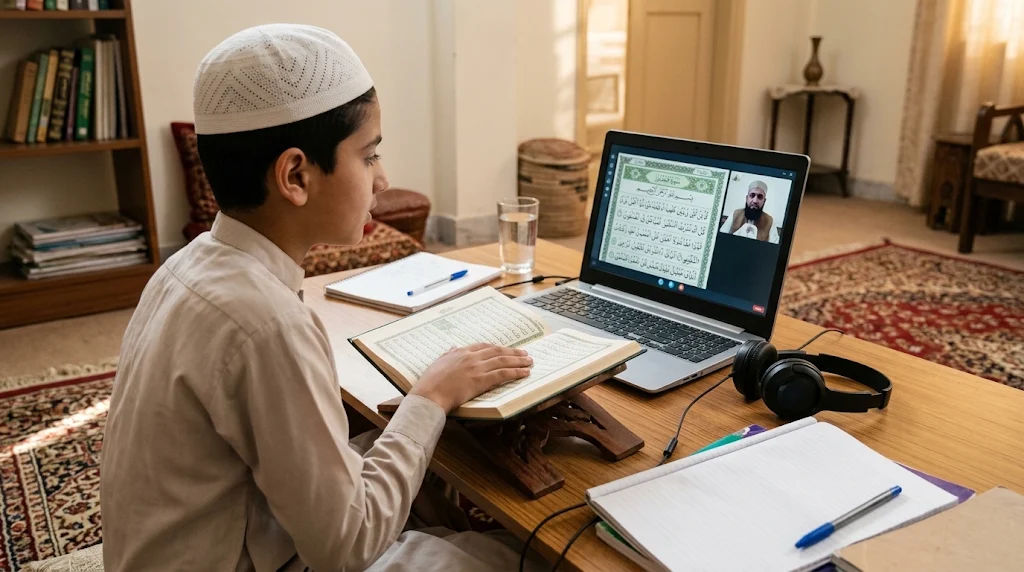
One common question parents ask is whether quran lessons for kids in finland are offered through one-to-one teaching or whether children must attend group sessions. The good news is that both learning arrangements may be available through online Quran academies and local Islamic educational institutions. One-to-one lessons are particularly useful for children who need individual attention, flexible schedules, and teaching methods suited to their learning abilities.
Understanding how private Quran lessons work can help parents make an informed decision. From individual attention and personalized learning plans to qualified teachers and flexible class timings, several factors influence the quality of Quran education.
This comprehensive guide explains how one-to-one Quran lessons work, what children can learn, how parents can choose suitable teachers, and why individual instruction can be beneficial for young Muslim learners in Finland.
One-to-One Quran Lessons for Children
One-to-one Quran lessons are educational sessions in which one teacher works with one student at a time. Unlike group classes, where several children learn together, private lessons allow the teacher to concentrate entirely on one child's progress.
This teaching approach is becoming increasingly accessible to Muslim families through online Quran academies. Children can attend classes from home using a computer, tablet, or other suitable device.
The teacher can evaluate the child's existing knowledge and develop lessons according to their abilities. Beginners may start with Arabic letters, while more advanced students can work on Quranic recitation and Tajweed.
How Individual Quran Classes Work
A typical private Quran lesson takes place through a video meeting. The teacher and student communicate directly, allowing the teacher to explain concepts, demonstrate pronunciation, and listen to the child's recitation.
Most lessons follow a structured learning plan. The teacher introduces a topic, explains the relevant rules, and gives the student opportunities to practise.
For example, a beginner might spend several lessons learning Arabic letters and their sounds before moving towards joining letters and reading simple words.
This gradual approach helps children develop confidence without feeling pressured to keep up with other students.
Are Online Private Lessons Available in Finland?
Yes, online private Quran lessons can be arranged for children living in Finland through educational providers that accept international students.
These classes can connect families with teachers who have experience teaching children from different cultural and linguistic backgrounds.
Online learning is especially convenient for families living in areas where nearby Islamic educational facilities or suitable Quran teachers may be limited.
Parents should confirm that the academy accepts students from Finland and offers appropriate class times.
Benefits of One-to-One Quran Lessons for Kids in Finland
Individual instruction offers several advantages for children learning the Quran. Every child has a different learning speed, attention span, and level of familiarity with Arabic.
Private teaching allows these differences to be considered during lessons.
Individual Attention
quran lessons for kids in finland greatest advantages of private Quran education is individual attention.
In a group classroom, teachers must divide their attention among several students. Some children may understand a lesson quickly, while others might need additional explanations.
One-to-one instruction gives the teacher more opportunities to identify learning difficulties and address them immediately.
Children can ask questions freely without worrying about interrupting other students.
This supportive environment can make Quran learning more comfortable, especially for beginners.
Learning at a Comfortable Pace
Children do not all learn at the same speed. Some may recognise Arabic letters quickly, while others require repeated practice.
Private classes allow teachers to adjust the lesson according to the child's progress.
If a student struggles with pronunciation, the teacher can spend additional time practising individual sounds. If the child understands a topic easily, the teacher can introduce the next lesson.
This flexibility prevents unnecessary pressure and encourages steady improvement.
Better Pronunciation Practice
Correct Quranic pronunciation is an essential part of learning.
Arabic contains sounds that may be unfamiliar to children who primarily speak Finnish, Swedish, English, Urdu, or another language.
A private teacher can listen carefully to each student's recitation and correct pronunciation mistakes.
The teacher can also demonstrate how particular Arabic letters are pronounced and explain differences between similar sounds.
Frequent individual practice helps children develop more accurate recitation habits.
Greater Confidence
Some children feel uncomfortable reading aloud in front of classmates. They may hesitate when making mistakes or answering questions.
Private lessons provide a more personal learning environment.
Children can practise without feeling that they are being compared with other students.
As their reading skills improve, they may become more comfortable participating in family Quran recitation and community learning activities.
What Do Children Learn in Private Quran Classes?
The subjects covered in individual Quran lessons depend on the child's age, current ability, and educational goals.
A well-organised programme generally introduces basic concepts before moving towards more advanced Quranic studies.
Arabic Alphabet and Basic Reading
Beginners usually start by learning the Arabic alphabet.
They become familiar with the shapes, names, and sounds of individual letters.
Teachers may use visual examples, repetition, pronunciation exercises, and simple reading activities to make lessons easier to understand.
After recognising individual letters, children learn how letters connect to form words.
This foundation is important because it prepares students for reading Quranic text.
Quran Recitation
Once children understand basic Arabic reading, they can gradually begin reciting Quranic verses.
Teachers help them recognise words, follow the correct reading sequence, and improve fluency.
Students may begin with shorter Surahs before progressing to longer passages.
Regular practice is important because reading the Quran requires familiarity with Arabic letters, vowel marks, and pronunciation patterns.
Tajweed Rules
Tajweed refers to the rules that guide correct Quranic recitation.
Children can learn these rules gradually according to their reading level.
Important topics include:
-
Makharij, which refers to the articulation points of Arabic letters.
-
Sifaat, which describes the characteristics of letters.
-
Madd, which involves appropriate vowel lengthening.
-
Noon Sakinah and Tanween rules.
-
Meem Sakinah rules.
-
Qalqalah and other important recitation characteristics.
A qualified teacher can introduce these concepts through simple explanations and practical examples.
Young learners generally benefit from learning Tajweed gradually instead of memorising too many technical rules at once.
Quran Memorisation
Some parents also want their children to memorise selected Surahs and Quranic passages.
Private lessons can support this goal through manageable memorisation targets.
The teacher may divide a passage into smaller sections and encourage the student to repeat each section before moving forward.
Revision is equally important. Previously memorised material should be reviewed regularly to help children retain what they have learned.
Basic Islamic Studies
Some Quran programmes also include introductory Islamic studies.
Depending on the academy, children may learn about Islamic manners, daily duas, the importance of prayer, stories of the Prophets, and basic Islamic values.
These subjects can help children understand the broader meaning and purpose of their religious education.
One-to-One Lessons vs Group Quran Classes
Parents often compare private lessons with group learning before selecting a suitable programme.
Both approaches can provide valuable educational experiences, but their teaching environments are different.
|
Learning factor |
One-to-one lessons |
Group lessons |
|---|---|---|
|
Teacher attention |
Individual |
Shared |
|
Learning speed |
Personalised |
Usually follows a group schedule |
|
Questions |
Direct interaction |
Depends on available class time |
|
Pronunciation correction |
Individual feedback |
Shared attention |
|
Social interaction |
Limited peer interaction |
More opportunities |
|
Scheduling |
Often flexible |
Usually fixed |
|
Learning goals |
Based on one student |
Often shared by the group |
Which Option Is Better for Beginners?
One-to-one lessons can be particularly helpful for beginners because they require frequent pronunciation guidance.
Children who have never studied Arabic may need additional explanations and repeated practice.
A private teacher can identify mistakes early and provide suitable exercises.
However, group classes can also be effective, particularly for children who enjoy learning alongside others.
The best option depends on the child's personality, educational needs, and learning preferences.
Can Children Combine Both Learning Methods?
Yes. Some families prefer combining private instruction with group learning.
For example, a child might attend individual Quran lessons during the week and participate in a weekend Islamic learning programme.
This arrangement provides personal academic support while allowing children to develop friendships with other Muslim students.
It can also introduce children to a wider Islamic educational community.
Why Finnish Families May Prefer Online Quran Education
Finland has Muslim families from different cultural and linguistic backgrounds. Their educational needs and daily routines can vary considerably.
Online Quran education provides another way to access religious learning without depending entirely on nearby educational facilities.
Convenience for Busy Families
Parents often balance school schedules, work responsibilities, family activities, and religious commitments.
Travelling to a Quran centre several times each week may not always be practical.
Online classes reduce travel requirements because children can attend lessons from home.
Parents can also coordinate class schedules around school hours and other responsibilities.
Suitable for Different Age Groups
Online Quran programmes can accommodate children at different educational stages.
Younger learners may need short, interactive lessons with frequent repetition.
Older children may be ready for more detailed Tajweed instruction, fluent recitation, or memorisation.
A suitable teacher can adjust the lesson structure according to the student's age and abilities.
Support for Different Language Backgrounds
Muslim children growing up in Finland may speak Finnish, Swedish, English, or another language at home.
Some may have limited exposure to Arabic outside Quran lessons.
Teachers who understand different language backgrounds can make explanations easier to follow.
Parents should ask whether a prospective teacher can communicate in a language their child understands.
This is especially important for younger students who may struggle with complicated instructions.
How to Choose a Qualified Quran Teacher
Choosing the right teacher is one of the most important decisions parents make when arranging private Quran lessons.
A teacher should have appropriate Quranic knowledge and the ability to communicate effectively with children.
Check Quranic Knowledge and Qualifications
Parents should ask about the teacher's educational background and experience.
Relevant qualifications may include Quranic studies, Tajweed training, and recognised Quran memorisation achievements.
Teachers who have completed formal Islamic education may also have additional knowledge that supports their teaching.
However, qualifications should be considered alongside actual teaching ability.
Look for Experience Teaching Children
Teaching children requires a different approach from teaching adults.
Young learners benefit from patience, encouragement, repetition, and simple explanations.
An experienced children's Quran teacher understands how to maintain attention and make lessons engaging.
Parents should look for someone who corrects mistakes respectfully and encourages students to keep practising.
Evaluate Communication Skills
Clear communication is essential in online Quran lessons.
Teachers should explain instructions in language appropriate for the child's age.
They should also provide feedback that parents can understand.
Regular communication helps families monitor progress and identify areas that need additional attention.
Ask About Trial Lessons
A trial lesson can help parents evaluate whether the teaching arrangement is suitable.
During the session, they can observe how the teacher communicates, introduces lessons, and responds to the child's questions.
It also allows children to become familiar with the online classroom environment.
Parents should consider whether the child feels comfortable and understands the teacher's instructions.
How Long Should One-to-One Quran Lessons Last?
The ideal lesson duration depends on the child's age, concentration, and learning level.
Younger children generally benefit from shorter sessions because maintaining attention for extended periods can be difficult.
Older students may be comfortable with longer lessons, particularly when studying Tajweed or memorisation.
A practical lesson structure might include:
|
Student level |
Example lesson duration |
|---|---|
|
Young beginners |
15–20 minutes |
|
Developing readers |
20–30 minutes |
|
Intermediate students |
30–40 minutes |
|
Advanced learners |
30–45 minutes |
These are suggested durations rather than strict educational rules.
Parents should discuss an appropriate schedule with the teacher and adjust it according to the child's response.
How Many Lessons Should Children Attend Weekly?
Many families begin with two or three lessons each week.
This can provide regular instruction without overwhelming the child's school routine.
However, some students may benefit from more frequent sessions, while others may prefer fewer lessons with additional revision at home.
Consistency is generally more important than arranging an unnecessarily demanding schedule.
Creating a Productive Learning Environment at Home
Online Quran lessons work best when children have a comfortable and organised learning space.
Parents do not need an expensive study room. A quiet area with suitable equipment is often sufficient.
Prepare the Necessary Equipment
Children generally need:
-
A computer, laptop, tablet, or suitable smartphone.
-
A stable internet connection.
-
Headphones or speakers with clear sound.
-
A microphone for recitation.
-
A Quran or appropriate digital learning material.
-
A comfortable place to sit.
Parents should check the audio and video before the lesson begins.
Clear sound is particularly important because teachers need to hear how children pronounce Arabic letters.
Reduce Distractions
A quiet learning environment helps children concentrate.
Parents can reduce unnecessary background noise and keep toys or unrelated electronic devices away during lessons.
Younger children may need parental assistance when joining online classes.
Encourage Regular Revision
Children should review previously covered lessons between sessions.
Revision does not need to be complicated.
A few minutes of reading practice, letter recognition, or memorisation review can reinforce classroom learning.
Parents can encourage children through positive feedback rather than making practice feel like a punishment.
How Parents Can Monitor Their Child's Progress
Although the teacher is responsible for instruction, parents play an important role in supporting Quran education.
Regular communication helps families understand whether the programme is meeting their expectations.
Request Regular Progress Updates
Teachers should be able to explain what the child has learned and which areas require additional attention.
Parents can ask about reading accuracy, pronunciation, memorisation, and lesson participation.
Clear progress updates make it easier to understand the child's development.
Set Realistic Learning Goals
Children benefit from achievable educational targets.
For example, a beginner might aim to recognise a group of Arabic letters before progressing to another set.
An intermediate student might work towards improving the pronunciation of selected Quranic passages.
Goals should reflect the child's abilities rather than expectations based on other students.
Celebrate Small Achievements
Learning the Quran requires patience and consistent practice.
Parents can encourage children by recognising improvements, such as reading a new passage or remembering a Tajweed rule.
Positive encouragement can make religious education a rewarding experience.
It also helps children develop a lasting interest in Quran learning.
Common Challenges in Online Quran Education
Although online lessons provide flexibility, families may experience a few challenges.
Understanding these issues can help parents prepare suitable solutions.
Internet and Technical Problems
An unstable internet connection can interrupt lessons and make communication difficult.
Parents can reduce this problem by choosing a reliable connection and checking equipment before class.
If technical issues continue, they should discuss alternative arrangements with the academy.
Maintaining Children's Attention
Some children find it difficult to concentrate during online sessions.
Teachers can help by using short activities, repetition, questions, and age-appropriate teaching methods.
Parents can also establish a regular lesson routine.
Finding a Suitable Class Time
Finland follows its own local time arrangements, including seasonal clock changes.
Families working with teachers in other countries should consider time differences when scheduling lessons.
It is important to confirm whether the academy adjusts its timetable when Finland changes between summer and winter time.
Keeping Children Motivated
Children may sometimes lose interest when lessons become repetitive.
Teachers can maintain engagement by introducing new exercises, celebrating progress, and varying learning activities.
Parents should also maintain realistic expectations and avoid placing unnecessary pressure on young learners.
Important Safety Considerations for Online Quran Lessons
Online education requires parents to pay attention to children's digital safety.
A suitable learning provider should have clear policies regarding communication, privacy, and student protection.
Parents should consider the following points:
-
Know the teacher responsible for each lesson.
-
Understand how online classes are conducted.
-
Review the academy's child protection policies.
-
Use suitable parental supervision for younger children.
-
Avoid sharing unnecessary personal information.
-
Ask how lesson recordings, if any, are stored and accessed.
-
Ensure communication takes place through appropriate educational channels.
These precautions help create a more secure and comfortable learning environment.
Conclusion
One-to-one Quran lessons are an accessible and practical learning option for Muslim children living in Finland. Through private instruction, children can receive individual attention, develop correct Arabic pronunciation, understand Tajweed rules, improve Quranic reading, and work towards memorising selected Surahs.
The availability of online education makes these opportunities particularly useful for families who cannot easily access suitable local Quran teaching facilities. Children can learn from home while following a schedule that fits around school, family activities, and other responsibilities.
When considering quran lessons for kids in finland, parents should focus on the teacher's qualifications, experience with children, communication skills, and ability to provide personalised instruction. They should also evaluate lesson duration, teaching methods, class timings, and online safety arrangements.
Although one-to-one teaching offers several advantages, group classes can also provide valuable learning and social experiences. The right choice depends on the child's individual needs, personality, and educational goals.
Most importantly, Quran education should be a positive and meaningful experience. Children need patience, encouragement, consistent practice, and supportive teachers to develop their abilities. By selecting a suitable learning programme and remaining involved in their progress, parents can help children build a strong foundation in Quranic education and develop a lasting connection with the teachings of Islam.