
 By AsimAli
A water heater is an essential part of a comfortable home. It provides hot water for showers, washing dishes, laundry, cleaning, and many other daily activities. However, like other household appliances, water heaters can develop problems over time. These issues may begin with minor changes in water temperature or unusual noises before becoming more serious equipment failures. Understanding how technicians identify these problems can help homeowners make informed maintenance decisions.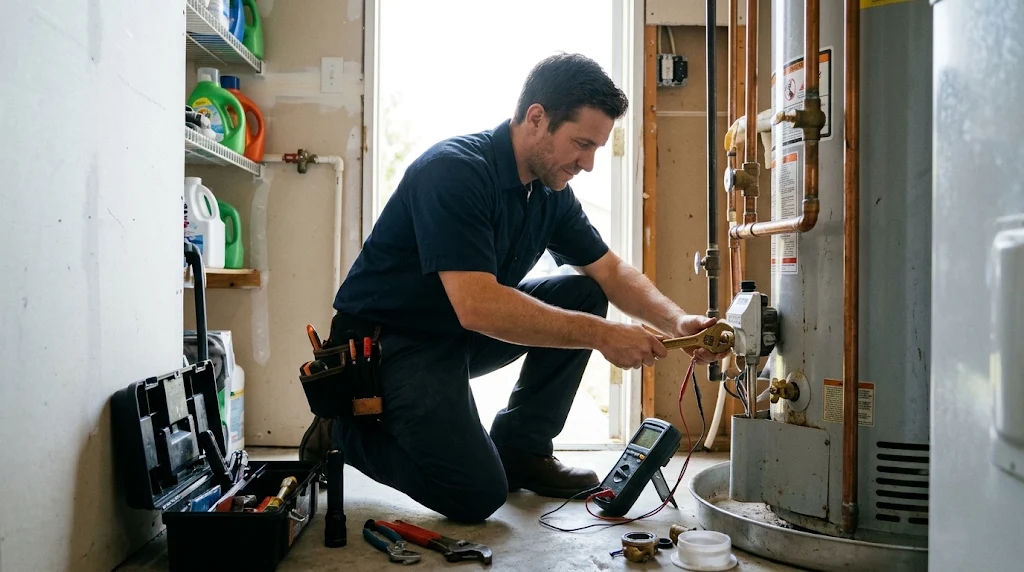
Professional Water Heater Repair Albuquerque NM services use a systematic approach to identify faults, examine individual components, and determine why a water heater is not working correctly. Instead of immediately replacing equipment, trained technicians investigate the symptoms, inspect the system, and perform appropriate diagnostic tests. This process helps them identify the actual source of a problem and recommend a suitable repair.
Finding faults requires more than simply looking at a water heater. Technicians consider the appliance's age, installation, maintenance history, energy source, water quality, and operating conditions. They may also examine electrical connections, heating elements, thermostats, gas controls, pressure valves, and plumbing connections.
Knowing how this diagnostic process works gives homeowners a better understanding of professional repair services. It also explains why accurate troubleshooting is important for improving efficiency, preventing recurring problems, and maintaining a reliable hot water supply.
How Water Heater Fault Detection Works
Fault detection is the process of identifying problems that prevent a water heater from operating properly. A technician begins by understanding the symptoms and then examines the appliance to determine which components may be responsible.
Different water heaters have different operating systems. Electric models use heating elements, thermostats, and electrical controls. Gas models depend on burners, ignition systems, gas controls, and safety mechanisms.
Although the equipment differs, the general diagnostic approach remains similar.
Identifying the Initial Symptoms
The first step involves listening to the homeowner's description of the problem. Technicians ask questions about when the issue started, how frequently it occurs, and whether the appliance has experienced similar problems before.
Common symptoms include:
-
Water that does not become sufficiently hot.
-
Hot water that runs out unusually quickly.
-
Water temperature that changes unexpectedly.
-
Unusual popping or rumbling sounds.
-
Visible water around the tank.
-
Reduced hot water pressure.
-
A system that repeatedly shuts down.
-
Unusual odors coming from the hot water supply.
These symptoms provide useful clues, but they do not always identify the exact fault.
For example, insufficient hot water might indicate a damaged heating element, thermostat problem, sediment accumulation, or an undersized water heater. A technician must investigate before deciding which explanation is correct.
Reviewing the Water Heater's History
A water heater's maintenance history can help technicians understand why a problem developed.
They may ask when the appliance was installed, whether it has received regular maintenance, and whether any components have recently been replaced.
Previous repairs can also provide useful information. If the same problem keeps returning, the original repair may not have addressed the underlying cause.
Inspecting the Main Water Heater Components
A visual inspection is one of the most important parts of fault detection. Technicians examine the appliance's exterior and accessible components to identify signs of damage, corrosion, leakage, or unusual operating conditions.
Professional Water Heater Repair Albuquerque NM technicians generally consider the complete system rather than focusing on one component.
Checking the Storage Tank
The storage tank holds heated water until someone needs it. Over time, its internal protective lining and metal structure can deteriorate.
Technicians inspect accessible tank surfaces for:
-
Rust or corrosion.
-
Water leakage.
-
Damaged connections.
-
Signs of excessive moisture.
-
Deterioration around fittings.
A leaking tank requires particular attention because internal corrosion can eventually compromise its structural integrity.
Not every visible leak comes directly from the tank. Water may also originate from a loose connection, temperature and pressure relief valve, or nearby plumbing component.
Identifying the exact source is therefore essential before recommending a repair or replacement.
Examining Heating Elements
Electric water heaters commonly contain one or two heating elements. These components transfer electrical energy into heat, allowing the water to reach the selected temperature.
A damaged heating element can produce several noticeable symptoms.
For example, a homeowner might experience lukewarm water, insufficient hot water, or no hot water at all.
Technicians use appropriate electrical testing equipment to determine whether an element is functioning correctly. They also examine related connections and controls.
A faulty heating element may be replaceable without replacing the entire water heater, provided the tank and other major components remain in good condition.
Inspecting the Thermostat
The thermostat controls water temperature by regulating when the heating system operates.
If a thermostat stops working correctly, the water may become too hot, remain too cold, or experience inconsistent temperatures.
Technicians examine the thermostat's condition and check whether it communicates properly with the heating components.
They also consider whether the temperature setting is appropriate for the household's requirements.
A thermostat problem can sometimes resemble a heating element failure. This is why professional testing is important before selecting a replacement component.
Testing Electrical and Gas Systems
The energy source plays an important role in determining how technicians diagnose water heater problems.
Electric and gas systems have different components, safety requirements, and potential faults.
Diagnosing Electrical Water Heaters
Electric water heaters depend on a reliable electrical supply. Problems with power delivery can prevent the appliance from heating water even when its internal components appear normal.
Technicians examine the electrical system for issues such as:
-
Interrupted power supply.
-
Faulty electrical connections.
-
Damaged heating elements.
-
Defective thermostats.
-
Malfunctioning safety controls.
-
Electrical component deterioration.
They use suitable diagnostic instruments to evaluate the equipment safely.
Electrical troubleshooting requires proper training because water heaters combine electricity, plumbing, and moisture. Homeowners should avoid opening electrical compartments or attempting repairs themselves.
Diagnosing Gas Water Heaters
Gas water heaters use a burner to generate heat. Their operation depends on several connected components, including ignition controls, gas valves, burners, and safety devices.
A technician may investigate whether the burner operates correctly and whether the ignition system functions as intended.
Common gas water heater faults include:
-
Ignition system problems.
-
Burner malfunction.
-
Faulty gas control components.
-
Venting problems.
-
Thermocouple or flame-sensing issues.
-
Safety system interruptions.
Proper ventilation is particularly important because gas appliances produce combustion gases.
If a technician suspects a combustion or ventilation problem, the system requires appropriate professional assessment. A suspected gas leak or carbon monoxide issue should be treated as an urgent safety concern. Occupants should leave the affected area and contact emergency services or the appropriate gas utility.
Understanding the Role of Water Quality in Fault Detection
Water quality is another important consideration during water heater troubleshooting.
In Albuquerque, local water conditions can make mineral accumulation an important maintenance consideration. Minerals naturally present in water may gradually collect inside a storage tank and around heating components.
This accumulation is commonly called sediment buildup or scale formation.
Recognizing Sediment Accumulation
Sediment can interfere with heat transfer and reduce the efficiency of a water heater.
When minerals settle at the bottom of a storage tank, they can create a layer between the heating surface and the water.
This may cause the appliance to work harder to maintain the desired temperature.
Technicians may identify possible sediment problems through several symptoms:
-
Popping or rumbling sounds.
-
Slower water heating.
-
Reduced operating efficiency.
-
Inconsistent hot water availability.
-
Increased energy consumption.
These symptoms do not automatically confirm sediment buildup, but they indicate that further inspection may be necessary.
Examining the Anode Rod
Many traditional storage water heaters contain an anode rod.
Its purpose is to help protect the tank from corrosion by attracting corrosive activity toward itself instead of allowing the tank lining to deteriorate as quickly.
Over time, the rod gradually wears down.
During appropriate maintenance inspections, technicians may examine its condition and determine whether replacement is necessary.
A severely deteriorated anode rod can reduce the protection available to the tank.
Regular inspection helps homeowners understand the condition of this protective component and potentially extend the useful service life of their equipment.
Diagnosing Water Pressure and Temperature Problems
Water temperature and pressure provide valuable information about the overall condition of a water heating system.
Technicians investigate whether a problem originates inside the heater or somewhere else in the plumbing network.
Investigating Inconsistent Water Temperature
Temperature fluctuations can result from several different faults.
A malfunctioning thermostat may cause irregular heating. Sediment accumulation may reduce heating efficiency. A damaged heating element may prevent an electric unit from maintaining the desired temperature.
In some situations, the issue may involve a plumbing mixing valve rather than the water heater itself.
Technicians compare the symptoms with the system's operating condition to narrow down the possible causes.
Checking Water Pressure
Water pressure problems can sometimes be mistaken for water heater failures.
For example, a homeowner might notice reduced hot water flow while cold water pressure remains normal.
This may indicate an issue with the hot water plumbing, a restricted connection, or mineral accumulation in a component.
Technicians inspect accessible plumbing connections and consider whether the problem affects one fixture or the entire property.
Understanding this distinction prevents unnecessary replacement of functioning water heater equipment.
Examining Safety Components
Water heaters contain several safety features designed to protect the appliance and household.
These components are particularly important because the system stores heated water and may operate under pressure.
Inspecting the Temperature and Pressure Relief Valve
The temperature and pressure relief valve is designed to release water when temperature or pressure exceeds specified safety limits.
A technician examines the valve for signs of leakage, deterioration, or improper operation.
Water dripping around this component should not automatically be ignored.
It may indicate a faulty valve, excessive pressure, or another operating condition that needs professional attention.
The valve should never be blocked, capped, or disabled because doing so can create dangerous conditions.
Checking the Expansion Tank
Some plumbing systems include a thermal expansion tank.
Its purpose is to accommodate the expansion of water as it heats.
When the water expands in a closed plumbing system, pressure can increase. An expansion tank helps manage this change.
Technicians may inspect the tank and related connections when they suspect pressure-related problems.
A damaged or incorrectly functioning expansion tank can contribute to repeated pressure fluctuations and relief valve discharge.
Using Diagnostic Tools to Find Hidden Problems
Not every water heater fault can be identified through visual inspection.
Some problems occur inside electrical components, control systems, or inaccessible sections of the appliance.
Professional technicians use specialized instruments to obtain more accurate information.
Electrical Testing Equipment
Multimeters and other suitable testing instruments help technicians evaluate electrical components.
They can assess whether electrical circuits and heating elements are functioning within appropriate specifications.
These measurements help distinguish between power supply issues, control problems, and damaged components.
Temperature Measurement Tools
Technicians may use temperature-measuring instruments to evaluate water temperature and heating performance.
Comparing measured temperatures with system settings can help identify inconsistent operation.
This information is especially useful when homeowners report that water becomes hot initially but gradually cools too quickly.
Leak Detection and Pressure Testing
Some water heater problems involve small leaks that are difficult to locate through ordinary observation.
Technicians examine accessible connections and use suitable testing procedures to identify the source.
Pressure-related testing may also help determine whether a problem involves the plumbing system, a valve, or another connected component.
Testing methods depend on the equipment design and the nature of the suspected fault.
How Albuquerque's Local Conditions Affect Water Heater Repairs
Local environmental conditions can influence water heater performance and maintenance requirements.
In Albuquerque, homeowners may need to consider mineral content, seasonal temperature changes, household water consumption, and installation conditions.
Mineral Content and Hard Water
Mineral-rich water can contribute to scale formation inside water heaters.
As deposits accumulate, they may interfere with heating performance and contribute to unusual operating noises.
Technicians consider water quality when investigating recurring problems.
They may recommend maintenance based on the appliance's condition and the household's water characteristics.
Seasonal Temperature Changes
The temperature of incoming water can change throughout the year.
During colder periods, water entering the heater may be cooler than during warmer months.
As a result, the appliance may require more time and energy to reach its selected temperature.
A homeowner might interpret this change as a developing fault when the system is actually experiencing a seasonal difference in operating conditions.
A professional inspection can help distinguish normal performance changes from genuine equipment problems.
Household Water Consumption
A water heater must have sufficient capacity to meet household demand.
Large families, frequent laundry use, and simultaneous showers can place additional demands on the system.
Technicians may examine whether the appliance's capacity matches the property's hot water requirements.
Sometimes the problem is not a damaged component but an unsuitable system size or an increase in household demand.
The Step-by-Step Professional Fault-Finding Process
Understanding the diagnostic process helps explain how professional repair appointments usually work.
Although the exact procedure varies according to the appliance, technicians generally follow an organized sequence.
Step 1: Discussing the Problem
The technician asks the homeowner about the symptoms, previous repairs, and operating history.
This information helps establish the possible causes.
Step 2: Performing a Visual Inspection
The technician examines accessible parts of the water heater, plumbing connections, and surrounding area.
They look for visible deterioration, moisture, corrosion, and other warning signs.
Step 3: Evaluating the Main Components
The technician assesses relevant heating elements, thermostats, burners, valves, and control systems according to the appliance type.
This stage helps narrow down the possible fault.
Step 4: Conducting Appropriate Tests
Diagnostic instruments provide additional information about electrical performance, temperature, pressure, or other operating conditions.
These tests help confirm whether a suspected component is defective.
Step 5: Identifying the Root Cause
After reviewing the inspection results, the technician determines which problem is responsible for the symptoms.
Identifying the root cause is important because replacing an individual component without addressing the underlying issue may lead to repeated failures.
Step 6: Explaining the Repair Options
The technician explains the findings and recommends an appropriate solution.
Depending on the condition of the appliance, the recommendation might involve component replacement, maintenance, plumbing repairs, or a complete water heater replacement.
Step 7: Testing the System After Repairs
Once approved repairs are completed, the technician checks the system's operation.
They verify that the appliance heats water correctly and that the repaired components operate as expected.
They may also examine the surrounding connections for signs of leakage or other problems.
Common Mistakes Homeowners Make When Diagnosing Water Heater Problems
Homeowners sometimes make incorrect assumptions when their water heater stops working.
These mistakes can delay repairs or make an existing problem more difficult to identify.
Assuming Every Problem Requires Replacement
A water heater that produces insufficient hot water does not necessarily need complete replacement.
The cause may involve a relatively simple component failure.
A professional inspection helps determine whether repair is practical or replacement is more appropriate.
Ignoring Unusual Sounds
Popping, rumbling, or other unusual noises may indicate sediment accumulation or another operating issue.
Ignoring these changes can allow maintenance problems to become more serious.
Homeowners should arrange an inspection when unusual sounds persist.
Attempting Complex Repairs Without Training
Water heaters involve electricity, gas, hot water, and pressurized components.
Attempting complex repairs without the necessary training can create safety risks.
Professional technicians have the equipment and experience required to evaluate these systems properly.
Overlooking Regular Maintenance
Preventive maintenance helps identify developing problems before they cause unexpected interruptions.
Homeowners should follow the manufacturer's maintenance recommendations and arrange professional inspections when appropriate.
How Accurate Fault Detection Saves Money
Accurate diagnosis can help homeowners avoid unnecessary expenses.
Replacing an entire water heater when only one component has failed may result in avoidable costs.
Similarly, replacing a component without identifying the real problem can lead to repeated service visits.
Professional Water Heater Repair Albuquerque NM services focus on identifying the underlying cause before recommending repairs.
Reducing Unnecessary Component Replacement
Testing helps determine whether individual components are working correctly.
This prevents technicians from replacing functioning parts simply because they are associated with a particular symptom.
Improving Energy Efficiency
A water heater with sediment buildup, malfunctioning controls, or damaged heating components may consume more energy than necessary.
Identifying these problems can help restore more efficient operation.
Preventing Recurring Problems
Root-cause diagnosis considers why a failure happened rather than simply correcting its visible symptoms.
For example, if repeated pressure problems are associated with an expansion tank, addressing that underlying issue may prevent further trouble.
Choosing a Qualified Water Heater Repair Professional
Selecting an experienced technician is an important part of maintaining a dependable water heating system.
Homeowners should consider several factors before arranging a repair appointment.
Check Licensing and Experience
Look for professionals with appropriate local licensing, insurance, and relevant experience.
Gas and electrical water heater systems require specialized knowledge.
Request a Clear Explanation
A reliable technician should explain the suspected fault, diagnostic findings, and available repair options.
Homeowners should understand why a particular repair is recommended.
Ask About Repair Costs
Request an estimate that explains labor, replacement parts, and any additional charges.
A clear estimate makes it easier to compare repair options and avoid unexpected expenses.
Consider Maintenance Recommendations
A professional should also explain whether routine maintenance could help prevent similar problems.
Recommendations should reflect the appliance's condition rather than follow a one-size-fits-all approach.
Conclusion
Finding faults in a water heater requires careful inspection, technical knowledge, and an organized diagnostic approach. From identifying temperature fluctuations and unusual sounds to examining heating elements, thermostats, gas controls, electrical connections, and pressure valves, every stage provides important information about the appliance's condition.
Professional Water Heater Repair Albuquerque NM technicians use these methods to distinguish between minor component failures and more serious equipment problems. Their goal is not simply to make the water heater operate again but to identify the underlying cause and recommend a suitable, lasting solution.
Local conditions also deserve attention. Mineral accumulation, changing incoming water temperatures, and household consumption can all influence water heater performance. Regular maintenance and timely inspections help homeowners recognize developing issues before they become expensive repairs.
Understanding how professional fault detection works allows homeowners to make better decisions about their equipment. Rather than guessing what has gone wrong or replacing parts unnecessarily, they can rely on proper testing and informed recommendations.
Ultimately, a dependable water heater depends on more than its installation. Appropriate maintenance, accurate troubleshooting, safe repairs, and professional attention all contribute to reliable operation. By understanding these factors and responding promptly to warning signs, Albuquerque homeowners can maintain a consistent hot water supply, improve equipment efficiency, and protect their investment over the long term.
 ahead_time