
 By AsimAli
Bathroom remodeling is an exciting way to improve the comfort, appearance, and functionality of your home. Whether you are updating an outdated bathroom, replacing old plumbing fixtures, installing a new shower, or creating a modern master bathroom, proper planning is essential. One important part of the process is understanding building permits and local regulations. Homeowners often wonder whether hiring a waltham bathroom remodeling company means the contractor will handle the necessary permits or whether they must apply for them independently.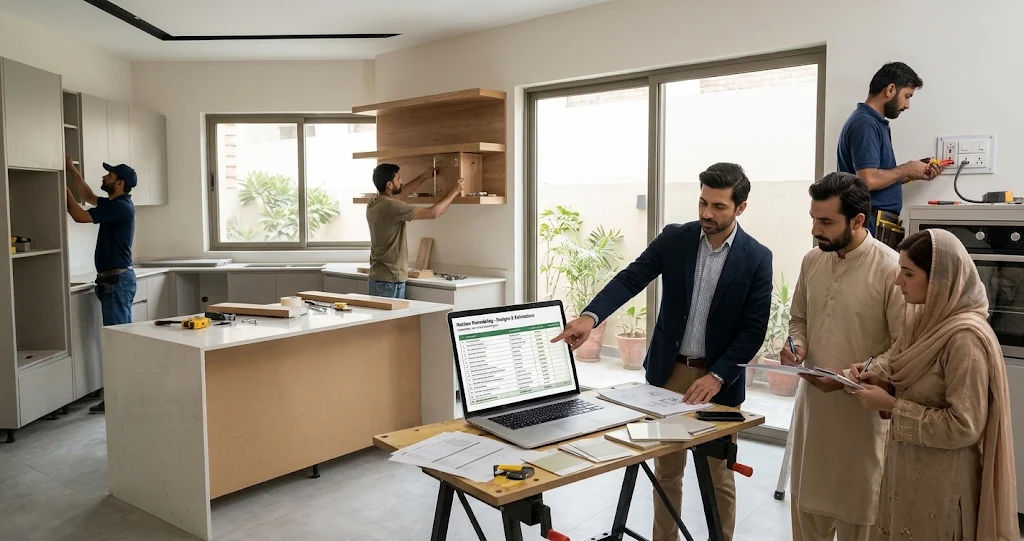
In most cases, professional remodeling contractors can help homeowners understand local permit requirements and coordinate the application process. However, the responsibility for obtaining permits should always be clearly established before construction begins. Requirements depend on the type of work, the property's condition, and applicable building regulations in Waltham, Massachusetts.
Understanding how permits work can help prevent unnecessary delays, unexpected expenses, and compliance problems. This comprehensive guide explains when bathroom remodeling permits are required, how contractors handle applications, what homeowners should expect, and why proper inspections matter.
Bathroom Remodeling Permits
A building permit is official approval from the local building department allowing specific construction or renovation work to proceed. Permits help ensure that remodeling projects follow applicable safety standards, building codes, and other regulations.
Bathroom renovations can involve several different systems within a home. These include plumbing, electrical wiring, ventilation, flooring, walls, and structural components.
Because these systems affect the safety and functionality of a property, certain improvements require official approval.
Why Are Permits Necessary?
Permits serve several important purposes.
First, they help ensure that construction follows established building codes. These regulations protect homeowners by setting minimum requirements for safe installations and construction practices.
Second, permits allow building officials to review proposed work and inspect certain stages of construction.
Third, documented improvements can provide useful records when selling or refinancing a property.
Without appropriate permits, homeowners may encounter complications during property inspections, insurance claims, or future renovations.
Are All Bathroom Renovations Required to Have Permits?
No. Not every bathroom improvement requires a building permit.
Simple cosmetic updates generally involve less complicated work. For example, painting walls, replacing cabinet handles, changing decorative accessories, or installing certain finishes may not require a permit.
However, projects involving plumbing alterations, electrical modifications, structural changes, or other regulated work may require approval.
The exact requirements should be confirmed with the Waltham Building Department before construction begins.
Does a Waltham Bathroom Remodeling Company Pull Permits?
A professional remodeling contractor may handle permit applications as part of the renovation service. Many established contractors assist with preparing paperwork, coordinating inspections, and communicating with local building officials.
A reliable waltham bathroom remodeling company should explain which permits are necessary for your particular project and clarify whether permit-related responsibilities are included in the contract.
However, homeowners should understand that hiring a contractor does not automatically mean every required permit will be obtained.
The arrangement depends on the contractor's qualifications, the scope of work, and the terms of the remodeling agreement.
What Does the Contractor Usually Handle?
When permit assistance is included, a remodeling contractor may perform several tasks.
1. Evaluating the renovation project
The contractor reviews the existing bathroom and identifies the planned improvements.
This evaluation helps determine whether the work involves plumbing, electrical systems, structural modifications, or other regulated activities.
2. Identifying permit requirements
The contractor checks which approvals may be necessary for the proposed renovation.
Some projects require building permits, while others may involve separate plumbing or electrical permits.
3. Preparing application documents
Depending on the project, applications may require project descriptions, construction drawings, specifications, or other supporting information.
The contractor may help prepare and organize these documents.
4. Coordinating with local authorities
The contractor can communicate with the appropriate municipal department to clarify application requirements and address questions.
5. Scheduling inspections
When inspections are required, the contractor may arrange appointments at the appropriate construction stages.
Homeowners should confirm these responsibilities before signing an agreement.
Why Should Permit Responsibilities Be Written Into the Contract?
A written agreement prevents misunderstandings between homeowners and contractors.
It should explain who will:
-
Identify the required permits.
-
Submit permit applications.
-
Pay application and inspection fees.
-
Provide supporting construction documents.
-
Arrange required inspections.
-
Address inspection-related corrections.
-
Provide copies of approved permits.
Clear documentation makes the remodeling process easier to manage and gives homeowners a better understanding of their responsibilities.
Which Bathroom Remodeling Projects Require Permits?
Permit requirements depend on the work being performed rather than simply the size or appearance of the bathroom.
Some projects involve only cosmetic improvements, while others require modifications to essential household systems.
Plumbing Modifications
Plumbing work is one of the most important considerations during bathroom remodeling.
Replacing a faucet or showerhead without changing the plumbing connections may be relatively straightforward. However, moving a toilet, relocating a sink, or installing new water supply and drainage lines can involve regulated plumbing work.
Examples include:
-
Relocating bathroom sinks.
-
Moving toilets to different locations.
-
Installing new shower plumbing.
-
Changing drainage configurations.
-
Replacing or modifying water supply lines.
-
Installing additional plumbing fixtures.
A licensed plumbing professional should evaluate the work and determine the necessary approvals.
Electrical Improvements
Electrical modifications may require separate permits and inspections.
Bathroom electrical systems must meet safety requirements because water and electricity create particular hazards.
Common electrical renovation projects include:
-
Installing new lighting circuits.
-
Adding electrical outlets.
-
Relocating switches.
-
Installing bathroom exhaust fans.
-
Adding heated flooring systems.
-
Upgrading electrical wiring.
A qualified electrician can determine the applicable requirements and complete the work appropriately.
Structural Changes
Some bathroom renovations involve changes beyond fixtures and finishes.
For example, homeowners may want to enlarge a shower, remove a wall, expand the bathroom, or change the layout of adjoining rooms.
These improvements can affect structural components and require additional review.
Before removing or modifying walls, contractors should determine whether they contain important structural elements or building systems.
Ventilation Improvements
Proper ventilation helps control moisture and maintain indoor air quality.
Installing or replacing an exhaust fan may involve electrical work and changes to ductwork.
The installation must follow applicable requirements for ventilation, electrical safety, and exterior exhaust termination.
A contractor should verify whether permits or inspections are necessary for the proposed changes.
How Does the Bathroom Permit Application Process Work?
The permit application process may seem complicated, especially for homeowners completing their first major renovation.
However, understanding the general steps can make the experience much easier.
Step 1: Evaluate the Existing Bathroom
The process begins with an assessment of the bathroom.
A contractor examines the current layout, plumbing connections, electrical systems, ventilation, and overall condition.
This assessment helps identify potential construction challenges and determine the scope of the renovation.
Step 2: Develop a Remodeling Plan
Once the existing bathroom has been evaluated, the contractor develops a project plan.
The plan may include fixture locations, proposed plumbing changes, electrical improvements, material selections, and construction details.
More extensive renovations may require professional drawings or additional documentation.
Step 3: Confirm Local Permit Requirements
Before submitting an application, the contractor or homeowner should contact the appropriate Waltham municipal department.
The Building Department can explain which approvals apply to the proposed project.
Separate trade permits may also be necessary for plumbing or electrical work.
Step 4: Submit the Application
The application is prepared according to local requirements.
Depending on the project, supporting documents may include:
-
Project descriptions.
-
Construction plans.
-
Contractor information.
-
Relevant professional licenses.
-
Property information.
-
Required application fees.
Incomplete applications can cause delays, so reviewing the documents before submission is important.
Step 5: Obtain Approval Before Starting Regulated Work
The appropriate approvals must be secured before work requiring permits begins.
A contractor should not assume that submitting an application is equivalent to receiving permission.
Homeowners should request confirmation that the necessary permits have been issued.
Step 6: Complete the Construction Work
Once the required approvals are obtained, construction can proceed according to the approved plans and applicable regulations.
The contractor coordinates the different stages of renovation.
This may include demolition, plumbing installation, electrical work, waterproofing, wall preparation, flooring, and fixture installation.
Step 7: Arrange Required Inspections
Building officials or relevant inspectors may examine certain stages of construction.
The purpose is to verify that regulated work meets applicable requirements.
If corrections are necessary, the contractor should address them before requesting further approval.
Step 8: Complete Final Approval
Some projects require a final inspection or other documentation before the permit can be closed.
Homeowners should request copies of relevant approvals and inspection records for their property files.
What Happens If Bathroom Remodeling Work Is Completed Without Permits?
Starting regulated construction without the required permits can create avoidable problems.
Although some homeowners may believe that permits are unnecessary for small renovations, certain plumbing, electrical, and structural changes still require proper approval.
Potential Building Code Problems
Unpermitted work may not receive the inspections needed to identify construction issues.
For example, improperly installed electrical components, unsuitable plumbing connections, or inadequate ventilation can create long-term problems.
Correcting these issues may require additional construction.
Additional Expenses
If local authorities discover unpermitted work, homeowners may need to apply for permits after construction has started.
Depending on the circumstances, this can involve additional fees, inspections, documentation, or corrective work.
In some situations, finished surfaces may need to be opened so inspectors can examine concealed installations.
Complications When Selling a Property
Potential buyers may ask whether major renovations were completed with the necessary permits.
Missing documentation can create questions during the property inspection and transaction process.
Keeping permit records helps demonstrate that applicable approval procedures were followed.
Insurance Concerns
Unpermitted work may complicate certain insurance claims, particularly when damage is connected to improperly completed construction.
Coverage depends on the insurance policy and circumstances.
Homeowners should avoid assuming that all renovation work will automatically be covered regardless of compliance.
How to Choose a Contractor Who Understands Waltham Permit Requirements
Choosing the right contractor is essential for a successful bathroom renovation.
A contractor should have practical remodeling experience and understand how local approval procedures affect construction schedules.
Check Licensing and Qualifications
Ask whether the contractor holds the appropriate registrations and licenses for the work being performed.
Massachusetts has specific requirements for construction professionals, including Home Improvement Contractor registration and Construction Supervisor licensing where applicable.
Plumbing and electrical work should be performed by appropriately licensed professionals.
Homeowners should verify qualifications rather than relying only on verbal assurances.
Ask About Previous Remodeling Projects
Experience with similar projects can provide useful insight into a contractor's capabilities.
Ask about previous bathroom renovations involving plumbing relocation, electrical upgrades, shower installations, and structural improvements.
A contractor familiar with comparable work may be better prepared to identify potential permit requirements.
Discuss Permit Responsibilities
Before accepting an estimate, ask whether permit applications and related coordination are included.
A dependable waltham bathroom remodeling company should provide a clear explanation of its permit-handling procedures.
Ask for clarification about fees, inspection arrangements, and responsibility for resolving construction-related issues.
Request a Detailed Written Estimate
A detailed estimate should separate major project expenses.
These may include labor, materials, demolition, plumbing, electrical services, permit fees, and other construction costs.
Written estimates make it easier to compare contractors and understand what is included.
Review Communication and Project Management
Bathroom remodeling involves several stages, and good communication helps prevent confusion.
Choose a contractor who explains project milestones, discusses possible delays, and responds clearly to questions.
Professional project management can make the renovation process more organized.
How Do Permits Affect Bathroom Remodeling Costs?
Permit fees are an important part of renovation budgeting.
The amount depends on the type of work, the applicable municipal fee schedule, and the permits required.
A cosmetic bathroom update may involve no permit fees, while a renovation involving plumbing, electrical, or structural changes may require multiple applications.
Understanding Permit-Related Expenses
Homeowners should consider several possible costs.
Application fees: Municipal departments may charge fees for reviewing and processing applications.
Professional documentation: Some projects require drawings or technical documents prepared by qualified professionals.
Inspection fees: Certain inspections may involve additional charges depending on local requirements.
Additional corrections: If construction does not meet applicable standards, corrective work may increase the overall project budget.
A contractor should identify foreseeable permit expenses during the estimating process.
Why Should You Avoid Contractors Who Promise to Skip Permits?
A contractor who suggests avoiding required permits to reduce expenses may expose the homeowner to unnecessary risks.
Although avoiding an application can appear cheaper initially, the potential consequences may be more expensive.
Responsible contractors understand that regulatory compliance is part of professional construction management.
Homeowners should prioritize safety, documentation, and quality rather than choosing a contractor solely because the initial estimate is lower.
How Long Does the Bathroom Permit Process Take?
Permit processing times vary according to project complexity, application completeness, and municipal workload.
A relatively straightforward application may be processed more quickly than a project involving extensive structural or mechanical changes.
Factors That Affect Approval Time
Several factors can influence the process.
Project complexity: Renovations involving several building systems may require additional review.
Application accuracy: Missing documents or incorrect information can delay processing.
Department workload: Application volume can affect review schedules.
Professional drawings: More complicated projects may require additional documentation.
Additional approvals: Certain projects may involve other municipal or regulatory considerations.
Homeowners should ask their contractor to include a reasonable allowance for permit processing in the renovation schedule.
Can Construction Begin While Approval Is Pending?
Work requiring a permit should not begin before the necessary approval has been issued.
Some preliminary activities may be permitted without an approved construction permit, depending on local rules.
However, homeowners should confirm what work is allowed rather than assuming that demolition or installation can proceed.
What Should Homeowners Ask Before Hiring a Remodeling Contractor?
Asking the right questions helps homeowners understand the contractor's experience and responsibilities.
Before signing an agreement, consider discussing the following points.
Questions About Permits
-
Will you determine which permits my project requires?
-
Will your company submit the necessary applications?
-
Are permit fees included in the estimate?
-
Will you arrange plumbing and electrical inspections?
-
Will I receive copies of approved permits?
-
Who will handle corrections if an inspection identifies an issue?
Questions About Construction Quality
-
Who will supervise the renovation?
-
Are subcontractors appropriately licensed?
-
What materials will be used?
-
How will waterproofing be completed?
-
How will ventilation be addressed?
-
What warranty or workmanship guarantee is provided?
Questions About Scheduling
-
How long will the renovation take?
-
When can construction begin?
-
How will inspection appointments affect the schedule?
-
What happens if materials are delayed?
-
How will unexpected problems be communicated?
These questions encourage clear expectations and help homeowners make informed decisions.
Why Proper Permits Matter for Bathroom Remodeling Quality
Permits are not simply administrative paperwork.
They are part of a broader process designed to support safe and compliant construction.
A bathroom contains several interconnected systems, and mistakes in one area can affect other parts of the property.
For example, plumbing leaks can damage flooring and surrounding structures. Poor electrical installations can create safety concerns. Inadequate ventilation can contribute to moisture problems.
Proper planning, qualified workmanship, and required inspections help reduce these risks.
Protecting Your Home's Long-Term Value
A professionally renovated bathroom can improve daily convenience and contribute to the overall appeal of a property.
However, quality involves more than attractive tiles, modern faucets, and stylish fixtures.
The underlying construction should also be safe, functional, and compliant.
Maintaining records of permits, inspections, warranties, and contractor agreements can provide valuable documentation for future maintenance and property transactions.
Creating a More Organized Renovation Experience
When permit responsibilities are established early, homeowners can better understand the construction schedule.
Contractors can coordinate trades, prepare documents, and arrange inspections without unnecessary confusion.
A well-organized process also makes it easier to identify delays and communicate changes.
This preparation helps ensure that the finished bathroom meets the homeowner's expectations while satisfying applicable requirements.
Conclusion
A bathroom renovation involves much more than selecting attractive fixtures and choosing modern finishes. Permits, inspections, qualified professionals, and compliance with local building regulations are also essential parts of a successful project. Whether you are planning a small bathroom improvement or a complete renovation, understanding these responsibilities can help protect your home and prevent unnecessary complications.
A professional waltham bathroom remodeling company may handle permit applications, coordinate with local authorities, and arrange inspections as part of its remodeling services. However, homeowners should never assume that these responsibilities are automatically included. It is important to discuss permit requirements, application fees, inspection arrangements, and documentation before signing a construction agreement.
Remember that plumbing modifications, electrical improvements, structural changes, and other regulated activities may require specific approvals. Cosmetic updates generally involve fewer regulatory requirements, but the exact rules should always be confirmed with the appropriate Waltham municipal department.
Choosing an experienced contractor who understands local construction requirements can make the entire renovation process more manageable. Verify professional qualifications, request a detailed estimate, and ensure that all permit responsibilities are clearly documented.
Ultimately, proper permits help support safe construction, protect property value, and provide confidence that your renovated bathroom meets applicable standards. Taking the time to address these requirements before construction begins is a practical investment in the long-term quality and functionality of your home.
 quadro_bike