
 By AsimAli
 Pakistani dresses are known around the world for their beauty, variety, and deep cultural roots. From everyday wear to grand wedding outfits, Pakistani fashion reflects history, regional traditions, and modern style all at once.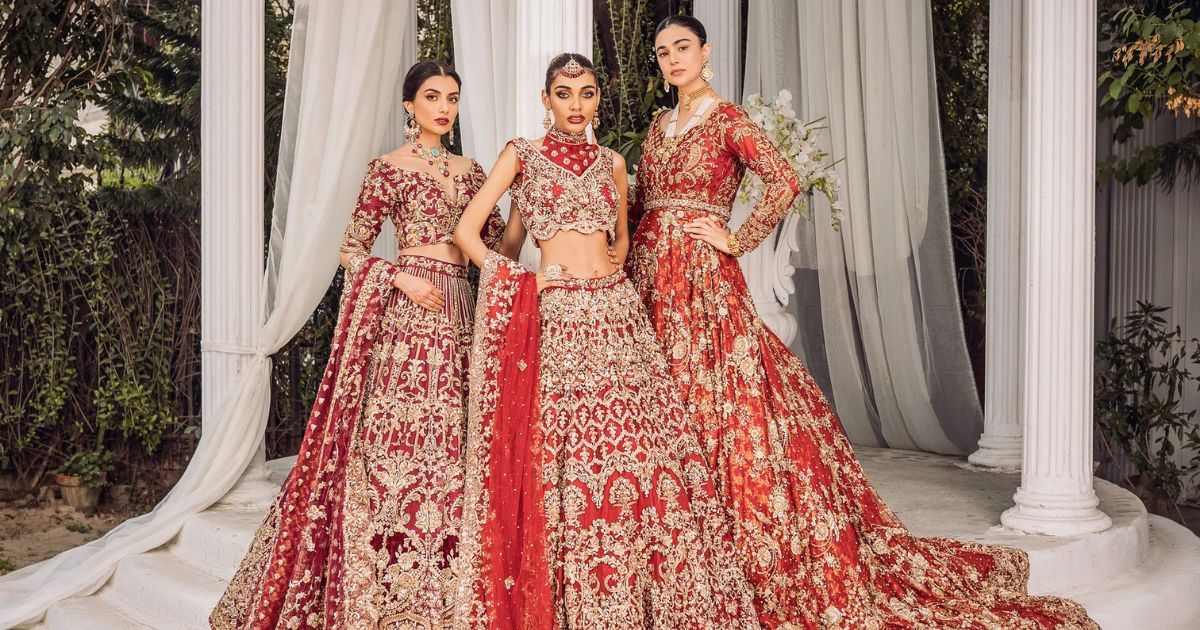 Pakistani dresses are not limited to one look or one fabric. They include simple cotton suits, elegant silk outfits, and heavily embroidered bridal wear.
In this comprehensive guide, you will learn about the main types of pakistani dresses, how they are worn, and what makes each style unique. This article is written in easy language for a 12th-grade audience, with short paragraphs and clear explanations. Whether you are new to Pakistani fashion or want deeper knowledge, this guide will help you understand pakistani dresses in detail.
Cultural Importance of Pakistani Clothing
Pakistani dresses are more than just clothing. They represent culture, religion, climate, and regional identity. Each province of Pakistan has its own traditional outfits, colors, and embroidery styles. Over time, these traditional clothes have blended with modern fashion trends.
Most pakistani dresses are designed to be modest yet stylish. They often include loose silhouettes, long shirts, and flowing trousers. This makes them comfortable for daily wear and suitable for formal events.
Shalwar Kameez – The National Dress
What Is a Shalwar Kameez?
The shalwar kameez is the most common and widely worn outfit among pakistani dresses. It consists of two main pieces:
-
Kameez: a long shirt
-
Shalwar: loose trousers
This outfit is worn by men, women, and children across Pakistan.
Fabric and Styling
Shalwar kameez can be made from cotton for summer, linen for spring, and velvet or silk for winter and formal wear. In women’s pakistani dresses, the shalwar kameez often includes embroidery, lace, or prints.
When It Is Worn
This outfit is suitable for daily wear, office use, family gatherings, and even weddings when styled with heavy work. That is why shalwar kameez remains the backbone of pakistani dresses.
Lawn Suits – Summer Essentials
What Are Lawn Suits?
Lawn suits are lightweight outfits made from lawn cotton fabric. They are especially popular in hot weather. Among casual pakistani dresses, lawn suits are the most loved.
Design and Prints
These suits usually come with digital prints, floral designs, and soft colors. Many brands release seasonal lawn collections every year, making lawn a major part of pakistani dresses.
Popular Use
Women commonly wear lawn suits at home, for shopping, and during daytime gatherings. Lawn suits show how pakistani dresses combine comfort with fashion.
Chiffon Dresses – Light and Elegant
Why Chiffon Is Popular
Chiffon is a soft, flowy fabric often used in formal pakistani dresses. It gives a graceful and feminine look.
Common Styles
Chiffon outfits are usually paired with embroidered shirts and trousers or shararas. These pakistani dresses are often worn at weddings, parties, and evening events.
Styling Tips
Chiffon dresses look best with delicate jewelry and heels. Their light fabric makes them easy to carry despite heavy embroidery.
Silk Dresses – Royal and Luxurious
Types of Silk Used
Silk is a premium fabric in pakistani dresses. Common types include raw silk, jamawar, and silk blends.
Occasions for Silk Dresses
Silk outfits are often worn at formal dinners, weddings, and cultural events. These pakistani dresses give a rich and elegant appearance.
Traditional Touch
Many silk outfits feature traditional embroidery, making them timeless examples of classic pakistani dresses.
Anarkali Dresses – Flowing and Graceful
History of Anarkali
Anarkali dresses have roots in Mughal-era fashion. They are long, frock-style outfits that flare from the waist.
Modern Anarkali Styles
Today, Anarkali designs are updated with modern cuts and fabrics. These pakistani dresses are popular for weddings and festive occasions.
Why Women Love Them
Anarkalis suit many body types and create a royal look, which is why they remain popular among pakistani dresses.
Lehenga Choli – Traditional Wedding Wear
What Is a Lehenga?
A lehenga consists of a long skirt, a blouse (choli), and a dupatta. It is one of the most famous bridal pakistani dresses.
Bridal and Formal Use
Lehengas are heavily embroidered and worn mainly at weddings. They are among the most expensive and detailed pakistani dresses.
Modern Trends
Modern lehengas may include lighter fabrics and simpler designs while keeping the traditional charm of pakistani dresses.
Gharara – A Classic Bridal Outfit
Structure of a Gharara
A gharara includes wide-legged trousers that are fitted at the knees, paired with a short or long shirt.
Cultural Significance
Ghararas are traditional bridal pakistani dresses, especially popular in North India and Pakistan.
Occasions
These outfits are worn at weddings, engagements, and formal celebrations, making them an important part of pakistani dresses.
Sharara – Comfortable and Stylish
Difference Between Sharara and Gharara
A sharara has wide trousers that flow freely from the waist, unlike the knee-fitted gharara. Both are popular pakistani dresses.
Modern Appeal
Sharara suits are trendy and comfortable. They are often worn at mehndi and festive events.
Styling Options
Sharara outfits show how pakistani dresses continue to evolve with fashion trends.
Maxi Dresses – Modern Fusion Style
What Is a Maxi Dress?
Maxi dresses are long, flowing dresses inspired by Western fashion but adapted into pakistani dresses.
Fabric Choices
These dresses can be made from chiffon, silk, or net, with embroidery or prints.
Popularity
Maxi dresses are common at parties and receptions, offering a modern take on pakistani dresses.
Kurti and Trouser – Everyday Fashion
Simple and Practical
Kurtis paired with trousers are simple pakistani dresses worn daily by women of all ages.
Office and Casual Wear
These outfits are popular for work and casual outings. They show the practical side of pakistani dresses.
Design Variety
Kurtis come in many lengths, colors, and designs, making them versatile pakistani dresses.
Dupatta – An Essential Element
Cultural Importance
The dupatta is an important part of pakistani dresses, symbolizing modesty and grace.
Styling the Dupatta
It can be draped in many ways depending on the outfit and occasion.
Fabric Choices
Dupattas are made from chiffon, silk, net, or cotton, completing the look of pakistani dresses.
Regional Variations in Pakistani Dresses
Sindhi Dresses
Sindhi pakistani dresses are colorful and feature mirror work and ajrak prints.
Punjabi Dresses
Punjabi styles include vibrant colors and phulkari embroidery, adding diversity to pakistani dresses.
Balochi Dresses
Balochi outfits have heavy embroidery and loose fits, representing traditional pakistani dresses.
Pashtun Dresses
Pashtun styles are simple, modest, and practical, reflecting regional pakistani dresses.
Fabrics Commonly Used in Pakistani Dresses
Cotton
Cotton is widely used in casual pakistani dresses due to comfort.
Net
Net fabric is common in bridal and party pakistani dresses.
Velvet
Velvet is used in winter formal wear, adding richness to pakistani dresses.
Embroidery and Handwork
Traditional Techniques
Techniques like zari, zardozi, and gota are common in pakistani dresses.
Modern Embroidery
Machine embroidery has made pakistani dresses more affordable and accessible.
Importance of Detail
Embroidery adds beauty and value to pakistani dresses.
Pakistani Dresses for Different Occasions
Casual Wear
Simple suits and kurtis are everyday pakistani dresses.
Formal Events
Chiffon, silk, and embroidered outfits are formal pakistani dresses.
Weddings
Bridal wear is the most detailed category of pakistani dresses.
How Pakistani Dresses Have Evolved
Pakistani dresses have changed over time with new cuts, fabrics, and global influences. Designers now blend tradition with modern fashion while keeping cultural values intact.
Choosing the Right Pakistani Dress
When selecting pakistani dresses, consider the occasion, weather, and comfort. Proper styling can transform even a simple outfit into an elegant look.
Conclusion
Pakistani dresses reflect a rich blend of tradition, culture, and modern style. From the simple shalwar kameez to the grand bridal lehenga, each outfit has its own story and purpose. The variety in pakistani dresses allows people to dress according to comfort, occasion, and personal taste.
Understanding the main types of pakistani dresses helps you appreciate their beauty and cultural importance. Whether worn casually or formally, these outfits continue to evolve while staying rooted in tradition.
With their timeless appeal and endless variety, pakistani dresses remain an essential part of Pakistani identity and fashion.
 ahead_time